Jibhi, a secluded hamlet nestled within Himachal Pradesh's Tirthan Valley, presents a distinct alternative to more frequented Himalayan destinations. Its appeal lies in its pristine natural environment, traditional architecture, and slower pace, attracting travelers prioritizing tranquility and authentic local experiences over commercialized tourism. This comprehensive guide details essential planning components, from seasonal considerations to specific local activities, enabling a structured approach for visitors seeking a focused, immersive experience in this less-explored region.
Understanding Jibhi's Appeal and Location
Jibhi is situated at an elevation of approximately 5,500 feet, part of the Seraj Valley in the Kullu district. It serves as a base for exploring the Great Himalayan National Park (GHNP) buffer zone, offering access to diverse flora and fauna without the crowds associated with larger towns. The village itself is characterized by traditional Himachali wooden houses, gurgling streams, and dense pine and deodar forests. Its remote location necessitates careful planning, particularly regarding connectivity and local transport.
Key Activities and Experiences in Jibhi
Jibhi's offerings are primarily centered around nature, local culture, and soft adventure. The focus remains on engagement with the environment rather than structured attractions.
Nature Trails and Hikes
The surrounding forests and valleys provide numerous opportunities for walking and trekking. These range from short, leisurely strolls to more demanding multi-hour expeditions.
- Jibhi Waterfall Trail: A relatively easy 15-minute walk from the main village leads to a secluded waterfall. The path is well-defined, winding through dense forest, and suitable for all fitness levels.
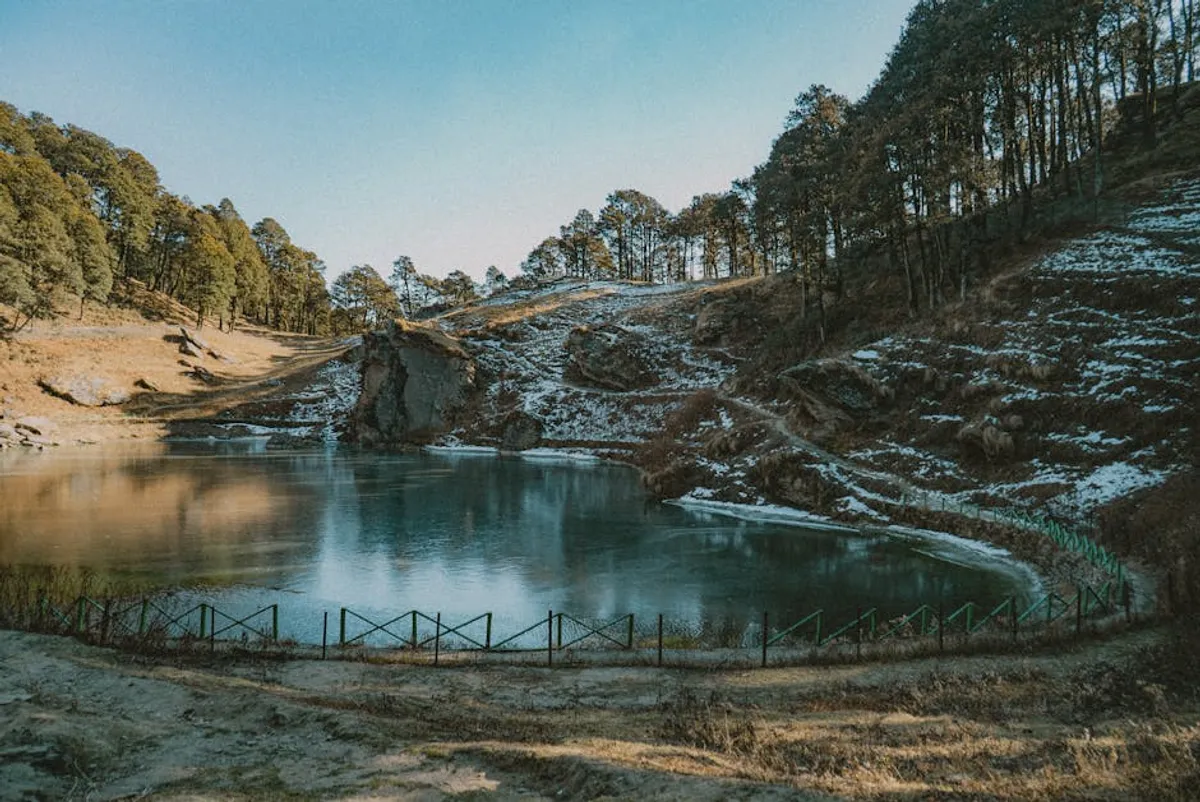
- Serolsar Lake Trek: This moderate 6km trek commences from Jalori Pass (accessible by vehicle from Jibhi). The trail passes through dense oak and pine forests, culminating at a pristine alpine lake considered sacred by locals. The entire round trip, including travel to Jalori Pass, requires a full day.
- Mini Thailand (Bahu Village): A short hike from Jibhi leads to a spot where a stream flows through a narrow gorge, creating small pools and rock formations reminiscent of Southeast Asian landscapes. It's a popular spot for relaxation and photography.
Cultural Immersion
Engaging with the local community offers insight into Himachali traditions.
Village Exploration: Wander through Jibhi and nearby villages like Ghiyagi and Shoja. Observe traditional wooden architecture, interact with locals, and understand their agrarian lifestyle. Many homes feature intricate wood carvings and multi-story structures designed to withstand harsh winters.
Adventure and Recreation
While not a hub for extreme sports, Jibhi offers specific recreational activities.
Trout Fishing: The Tirthan River, known for its trout population, offers opportunities for angling. Permits are required and can often be arranged through local guesthouses or guides. This activity is regulated to ensure ecological balance.
Bird Watching: The diverse forest ecosystem around Jibhi supports a variety of avian species, making it a suitable location for bird enthusiasts, particularly during migration seasons.
Pro Tip: Mobile network coverage in Jibhi is inconsistent, with BSNL often providing the most reliable, albeit slow, service. Plan for intermittent connectivity; download offline maps and essential information before arrival. This digital disconnect can enhance the experience for those seeking to unplug.
Essential Travel Tips for Jibhi
Effective planning ensures a smoother and more rewarding visit to Jibhi.
Best Time to Visit
Jibhi experiences distinct seasons, each offering a different ambiance:
- Spring (March to May): Pleasant weather, blooming rhododendrons, ideal for trekking and outdoor activities. Temperatures range from 10°C to 25°C.
- Summer (June to September): Monsoon season brings lush greenery but also heavy rainfall, which can cause road blockages and limit outdoor activities.
- Autumn (October to November): Clear skies, crisp air, and vibrant fall foliage, excellent for photography and comfortable exploration. Temperatures range from 5°C to 20°C.
- Winter (December to February): Cold temperatures and significant snowfall, transforming the landscape into a winter wonderland. Roads to Jalori Pass may be closed, limiting access to some treks. Suitable for those seeking snow and solitude.
Accommodation and Dining
Accommodation options in Jibhi primarily consist of guesthouses, homestays, and a few boutique hotels. These typically offer basic amenities, often with a focus on rustic charm and local hospitality. Dining is usually available at the accommodation itself, serving traditional Himachali cuisine and common Indian dishes. Specific restaurants are limited, emphasizing the importance of securing meals where you stay.
Transportation and Connectivity
Reaching Jibhi: The nearest major town is Aut, on the Chandigarh-Manali highway. From Aut, Jibhi is approximately 30 kilometers and requires a taxi or local bus. The journey from Delhi or Chandigarh typically involves an overnight bus to Aut, followed by local transport.
Local Travel: Within Jibhi and to nearby villages, walking is the primary mode. Taxis can be hired for trips to Jalori Pass or other distant points, but these should be arranged in advance due to limited availability.
Responsible Tourism Practices
Visitors are encouraged to minimize their environmental impact by carrying reusable water bottles, disposing of waste responsibly, and adhering to designated trails. Respecting local customs, traditions, and the quiet atmosphere of the village is paramount for preserving Jibhi's unique character.
Optimizing Your Jibhi Itinerary
For a balanced experience, allocate at least three to four full days. This allows for dedicated time to explore the immediate vicinity, undertake a major trek like Serolsar Lake, and integrate moments of relaxation. Factor in travel time to and from Aut, as this can consume a significant portion of your arrival and departure days. Prioritize booking accommodation well in advance, especially during peak seasons, given the limited options. Consider hiring a local guide for treks to gain insights into the region's ecology and culture, while also supporting the local economy.
Frequently Asked Questions About Jibhi
How far is Jibhi from Delhi?
Jibhi is approximately 500-520 kilometers from Delhi. The journey typically involves an overnight bus to Aut, followed by a taxi or local bus for the remaining 30 kilometers to Jibhi, totaling around 12-14 hours of travel time.
Is Jibhi suitable for families with children?
Yes, Jibhi can be suitable for families, especially those who appreciate nature and a relaxed pace. Many guesthouses are family-friendly, and easy walks like the Jibhi waterfall trail are manageable for children. However, some treks might be too strenuous for very young children.
Are there ATMs in Jibhi?
Jibhi does not have its own ATM. The nearest ATMs are located in Banjar, about 8-10 kilometers away. It is advisable to carry sufficient cash for your stay, as many local establishments do not accept digital payments.
What local dishes should I try in Jibhi?
When in Jibhi, sample traditional Himachali cuisine such as Siddu (steamed bread with filling), Dham (a festive meal), and various lentil and vegetable preparations. Most guesthouses offer home-cooked meals featuring local ingredients.