Planning for 2024 holidays in the Philippines requires strategic foresight to maximize both experience and value. The archipelago offers a diverse range of activities, from vibrant urban festivals to serene island retreats, but peak travel periods coincide directly with official holidays. Understanding the full calendar, anticipating crowd movements, and securing arrangements well in advance are critical steps. This guide provides a detailed breakdown of the 2024 holiday schedule, outlines specific activity recommendations tied to these dates, and offers practical travel advice to ensure a well-orchestrated and enjoyable Philippine holiday experience.
Understanding the 2024 Philippine Holiday Calendar
The Philippine government officially designates two main types of holidays: Regular Holidays and Special (Non-Working) Days. Regular Holidays are typically observed nationwide with fixed dates and mandated premium pay for employees who work. Special Non-Working Days also grant a day off but with different pay regulations, and some may be specific to certain regions or declared at short notice. Both types significantly impact travel logistics and local business operations, influencing crowd levels at popular destinations and the availability of services.
2024 Regular Holidays
These dates are fixed and generally lead to the most significant travel surges, especially when they create long weekends. Expect higher demand for flights, accommodations, and tourist services around these periods.
- January 1 (Monday): New Year's Day
- March 28 (Thursday): Maundy Thursday
- March 29 (Friday): Good Friday
- April 9 (Tuesday): Araw ng Kagitingan (Day of Valor)
- May 1 (Wednesday): Labor Day
- June 12 (Wednesday): Independence Day
- August 26 (Monday): National Heroes' Day (Last Monday of August)
- November 30 (Saturday): Bonifacio Day
- December 25 (Wednesday): Christmas Day
- December 30 (Monday): Rizal Day
2024 Special (Non-Working) Days
These holidays also contribute to increased domestic travel, particularly if they fall adjacent to a weekend or a Regular Holiday, creating extended breaks. Proclamations for some special days, like Eid'l Fitr and Eid'l Adha, are based on the Islamic calendar and are announced closer to the date.
- February 9 (Friday): Additional Special (Non-Working) Day
- February 10 (Saturday): Chinese New Year
- March 30 (Saturday): Black Saturday
- August 21 (Wednesday): Ninoy Aquino Day
- November 1 (Friday): All Saints' Day
- November 2 (Saturday): All Souls' Day
- December 8 (Sunday): Feast of the Immaculate Conception of Mary
- December 24 (Tuesday): Additional Special (Non-Working) Day
Monitoring official government announcements for any additional special non-working days or holiday shifts is crucial, as these can impact travel plans and local services. Such declarations are often made by presidential proclamation and can sometimes occur with limited lead time.
Maximizing Holiday Experiences: Things to Do
The Philippines offers distinct experiences tailored to various holiday periods. Matching your activities to the holiday type and expected local atmosphere enhances your trip.
Cultural Immersion and Religious Observances
Best for: Holy Week (Maundy Thursday to Black Saturday) and All Saints' Day/All Souls' Day (November 1-2).
During Holy Week, many Filipinos return to their hometowns. Major cities like Manila can become unusually quiet, while religious sites and provinces experience significant pilgrimages and traditional observances. For a deeply cultural experience, consider visiting historical churches in Ilocos Sur or observing the Moriones Festival in Marinduque. Be aware that some businesses, particularly in smaller towns, may close or operate on reduced hours during this period. November 1-2 sees families gathering in cemeteries nationwide to honor departed loved ones. While not a typical tourist activity, observing this tradition offers insight into Filipino culture.
Beach and Nature Escapes
Best for: Long weekends created by Regular Holidays (e.g., New Year's Day, National Heroes' Day, Rizal Day) or Special Non-Working Days.
These extended breaks are ideal for exploring the Philippines' renowned natural beauty. Destinations like Boracay, Palawan (El Nido, Coron), and Siargao experience peak demand. For those seeking less crowded alternatives, consider destinations like Camiguin, Siquijor, or parts of Samar and Leyte. Pre-booking flights and accommodations several months in advance is non-negotiable for popular spots during these times. Activities range from island hopping and snorkeling to surfing and hiking.
Urban Exploration and Festivals
Best for: Chinese New Year (February 10), Independence Day (June 12), and Bonifacio Day (November 30).
Manila's Binondo district comes alive during Chinese New Year with parades, street food, and cultural performances. Independence Day often features parades and patriotic events in major cities. Bonifacio Day, while a Regular Holiday, can be a good time for exploring historical sites in Manila, particularly those related to the Philippine revolution. Urban centers like Cebu City also host various local festivals throughout the year, which can coincide with holiday periods, offering a dynamic blend of city life and cultural celebration.
Essential Travel Tips for Philippine Holidays
Navigating the Philippines during holiday periods requires meticulous planning to avoid common pitfalls associated with high demand and increased traffic.
Book Everything Early
Flights, hotels, and inter-island transfers (ferries, domestic flights) should be booked 3-6 months in advance for peak holiday periods. Last-minute bookings during these times often result in significantly higher prices or complete unavailability, particularly for popular destinations like Boracay, El Nido, and Siargao.
Anticipate Transportation Challenges
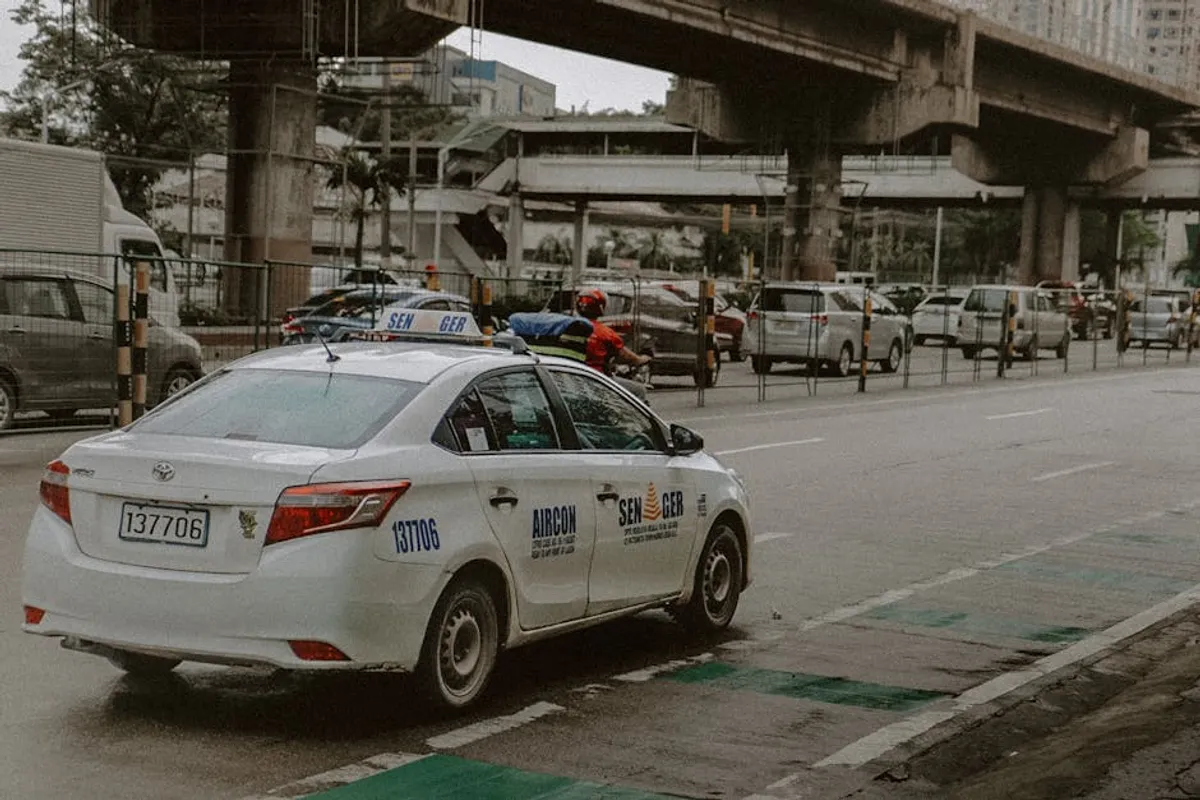
Roads leading to and from major cities, as well as routes to popular tourist spots, will experience heavy traffic. Allow extra travel time, especially for airport transfers. For inter-island travel, consider booking fastcraft or domestic flights well in advance. Public transport like buses and trains will also be more crowded.
Budget for Peak Season Pricing
Expect higher prices for accommodations, tours, and sometimes even food, especially in tourist-centric areas. Some establishments implement peak season surcharges. Factor this into your budget to avoid unexpected expenses.
Prioritize Health and Safety
Crowded areas during holidays can increase the risk of petty theft. Secure your belongings and remain vigilant. Ensure you have travel insurance and carry essential medications. Hydration is crucial, especially in the tropical climate.
Embrace Local Culture and Etiquette
Filipinos are generally welcoming, but understanding local customs enhances your experience. Dress modestly when visiting religious sites, and always ask for permission before taking photos of people. During religious holidays, respect local observances and traditions.
Pro Tip: For those seeking a quieter experience during major holidays like Holy Week or Christmas, consider visiting less-trafficked regions or planning your trip immediately before or after the peak holiday rush. This strategy can significantly reduce crowds and potentially lower costs, offering a more serene travel environment away from the main tourist circuits.
Planning Your 2024 Philippine Holiday Effectively
Successful holiday planning in the Philippines hinges on early preparation and adaptability. By understanding the official holiday calendar, matching your interests with suitable destinations and activities, and implementing practical travel tips, you can navigate the peak periods with greater ease. Prioritizing advance bookings, budgeting realistically for increased demand, and maintaining cultural awareness will contribute to a more rewarding and seamless travel experience across the archipelago.
Frequently Asked Questions
What is the best time to visit the Philippines in 2024 to avoid crowds?
To avoid the largest crowds, target shoulder seasons (May-June or November) or plan your trip outside of major public holidays, especially long weekends and religious observances like Holy Week and Christmas.
Are holidays in the Philippines crowded?
Yes, major holidays, particularly those creating long weekends, see a significant surge in domestic and international tourism. Popular destinations, transport hubs, and main roads become very crowded.
How far in advance should I book travel for Philippine holidays?
For flights and popular accommodations during peak holidays (e.g., Christmas, Holy Week, long weekends), book at least 3-6 months in advance. For less popular times, 1-2 months is generally sufficient.
What are the key cultural considerations during Philippine holidays?
During religious holidays like Holy Week, many businesses may close, and a solemn atmosphere prevails. Modest dress is advised when visiting churches or religious sites. Always be respectful of local customs and traditions.