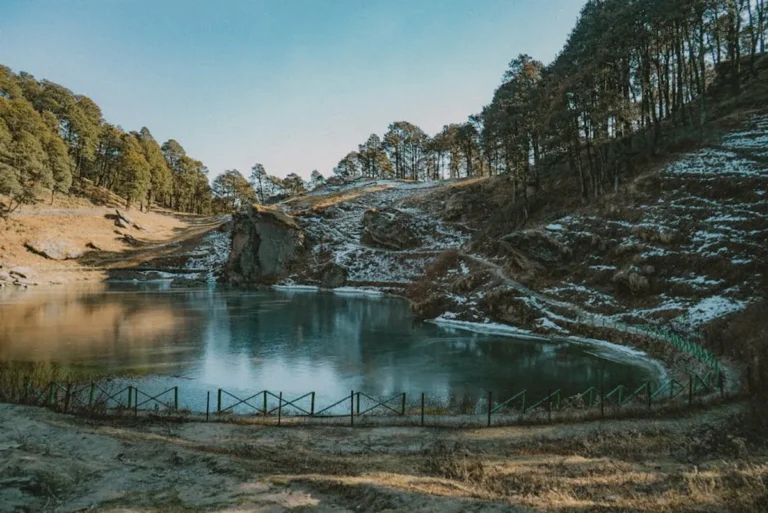
India presents a diverse travel landscape, offering experiences that range from ancient historical sites to serene natural retreats and bustling modern cities. Choosing the right destinations requires aligning your travel goals with what each region uniquely provides. This guide outlines prominent places across India, detailing their primary attractions, suitability for different traveler profiles, and practical considerations. The aim is to equip travelers with specific insights to plan an itinerary that matches their interests, whether those lie in cultural immersion, adventure, relaxation, or spiritual exploration.
Considerations for Planning Your India Trip
Before selecting specific destinations, evaluate several key factors to ensure a fulfilling journey. India's vastness means travel times and experiences vary significantly by region. Consider the time of year, as weather conditions differ drastically; for example, North India experiences cold winters and hot summers, while coastal areas maintain warmer temperatures year-round but face monsoon seasons. Your budget will influence accommodation choices, transportation methods, and activity selections. Define your travel style: are you seeking luxury and comfort, or are you open to more rustic and adventurous experiences? Finally, identify your primary interests—history, spirituality, nature, adventure, or culinary exploration—to narrow down the most suitable regions.
1. Agra, Uttar Pradesh
Agra is primarily defined by the Taj Mahal, a UNESCO World Heritage site and an iconic symbol of Mughal architecture. Beyond the Taj, the city offers other significant historical monuments that reflect India's rich past, including Agra Fort and Fatehpur Sikri. The city serves as a crucial stop for those interested in monumental architecture and imperial history, typically visited as part of India's "Golden Triangle" circuit.
Best for: First-time visitors to India, history enthusiasts, architecture admirers, and those with limited time seeking iconic landmarks.
Pros:
- Home to the Taj Mahal, a globally recognized wonder.
- Relatively easy access from Delhi via road or train.
- Compact city center allows for efficient sightseeing of main attractions.
Cons:
- Can be extremely crowded, particularly during peak tourist season and early mornings.
- Limited attractions beyond historical sites; less diverse in terms of activities.
- Intense local hawker presence around major monuments.
Verdict: Essential for its historical significance, but best experienced as a focused two-day visit to appreciate its architectural marvels without extended stay.
2. Jaipur, Rajasthan
Known as the "Pink City," Jaipur is the capital of Rajasthan and a vibrant hub of culture, history, and craftsmanship. Its distinctive pink-hued buildings, grand palaces, formidable forts, and bustling bazaars offer a deep dive into Rajput heritage. Visitors can explore Amber Fort, Hawa Mahal, City Palace, and Jantar Mantar, alongside engaging in textile and gemstone shopping.
Best for: Cultural explorers, shoppers, history buffs, and those seeking a quintessential Indian royal experience.
Pros:
- Rich cultural experiences with traditional music, dance, and cuisine.
- Numerous architectural marvels and historical sites.
- Excellent shopping opportunities for textiles, jewelry, and handicrafts.
Cons:
- Traffic congestion can be significant, impacting travel time within the city.
- Can feel overwhelming due to crowds and persistent vendors in tourist areas.
- Summers are extremely hot, making outdoor exploration challenging.
Verdict: A cornerstone of North Indian travel, offering a robust blend of history and vibrant local life, best visited during cooler months for comfortable exploration.
3. Varanasi, Uttar Pradesh
Varanasi, one of the world's oldest continuously inhabited cities, stands as India's spiritual heart on the banks of the sacred Ganges River. It is a pilgrimage site for Hindus, renowned for its ghats (steps leading to the river), where daily rituals, ceremonies, and cremations take place. The city offers a profound, often intense, spiritual and cultural immersion.
Best for: Spiritual seekers, cultural anthropologists, photographers, and those interested in ancient traditions and religious practices.
Pros:
- Unparalleled spiritual and cultural depth, offering unique insights into Hindu traditions.
- Atmospheric boat rides on the Ganges at dawn and dusk.
- Authentic experience of traditional Indian life and rituals.
Cons:
- Can be overwhelming for some due to crowds, noise, and visible poverty.
- Sanitation standards may be lower than in other major tourist cities.
- Accommodation options outside of luxury hotels can be basic.
Verdict: A transformative destination for those open to an unfiltered spiritual journey, requiring an open mind and willingness to engage with its intense atmosphere.
4. Goa
Goa, India's smallest state, is celebrated for its extensive coastline, pristine beaches, and distinctive blend of Indian and Portuguese cultures. It offers a spectrum of experiences from lively beach parties in the north to tranquil, secluded shores in the south. Beyond the beaches, Goa features charming colonial architecture, spice plantations, and vibrant markets.
Best for: Beach lovers, relaxation seekers, party-goers, and those interested in a blend of sun, sand, and cultural exploration.
Pros:
- Diverse range of beaches catering to different preferences (party, serene, family-friendly).
- Unique Indo-Portuguese heritage visible in architecture and cuisine.
- Relatively relaxed atmosphere compared to other Indian cities.
Cons:
- Can become very crowded and expensive during peak season (December-January).
- Monsoon season (June-September) limits beach activities and can lead to heavy rainfall.
- Traffic can be an issue on main roads, especially in North Goa.
Verdict: An ideal destination for a coastal retreat with diverse offerings, but careful planning regarding season and specific area is crucial for the desired experience.
5. Kerala (Backwaters & Munnar)
Kerala, known as "God's Own Country," offers a rich tapestry of experiences, from the serene backwaters of Alleppey (Alappuzha) to the misty tea plantations of Munnar. The state is characterized by its lush greenery, unique houseboat stays, Ayurvedic traditions, and tranquil landscapes, providing a stark contrast to the historical intensity of North India.
Best for: Nature lovers, honeymooners, wellness tourists, and those seeking serene landscapes and unique cultural experiences like houseboat cruises.
Pros:
- Stunning natural beauty, including backwaters, beaches, and hill stations.
- Opportunities for Ayurvedic treatments and wellness retreats.
- Unique cultural experiences like Kathakali dance and houseboat stays.
Cons:
- Monsoon season (June-September) can disrupt travel plans and limit outdoor activities.
- Travel between different regions of Kerala can be time-consuming due to winding roads.
- Some popular areas can be touristy, especially during peak season.
Verdict: A highly recommended destination for its natural beauty and tranquil experiences, best explored with a focus on specific regions like the backwaters and hill stations.
6. Leh-Ladakh, Jammu & Kashmir
Nestled in the Himalayas, Leh-Ladakh offers a rugged, high-altitude desert landscape characterized by dramatic mountains, pristine lakes, ancient Buddhist monasteries, and a distinct Tibetan-influenced culture. It's a destination for adventure and spiritual reflection, requiring careful acclimatization due to its elevation.
Best for: Adventure travelers, motorcyclists, trekkers, spiritual seekers, and those looking for unique high-altitude landscapes and Buddhist culture.
Pros:
- Breathtaking, unique landscapes unlike anywhere else in India.
- Rich Tibetan Buddhist culture with numerous ancient monasteries.
- Opportunities for trekking, white-water rafting, and high-altitude motorcycling.
Cons:
- High altitude requires careful acclimatization to avoid altitude sickness.
- Limited accessibility during winter months due to heavy snowfall.
- Infrastructure can be basic outside of Leh town.
Verdict: An unforgettable adventure for those prepared for high-altitude travel and seeking unparalleled natural beauty and cultural depth, best visited between May and September.
7. Delhi
As the capital of India, Delhi is a sprawling metropolis that seamlessly blends ancient history with modernity. It's divided into Old Delhi, with its Mughal-era monuments, narrow lanes, and bustling bazaars, and New Delhi, characterized by wide avenues, government buildings, and contemporary infrastructure. Delhi serves as a major international gateway and a cultural melting pot.
Best for: Urban explorers, history enthusiasts, foodies, and those seeking a comprehensive overview of India's past and present.
Pros:
- Extensive historical sites from various eras (Mughal, British, ancient).
- Diverse culinary scene, from street food to fine dining.
- Excellent connectivity to other parts of India and international destinations.
Cons:
- Significant air pollution, especially during winter months.
- Traffic congestion and crowded public spaces are common.
- Can be overwhelming for first-time visitors due to its sheer size and intensity.
Verdict: An essential starting point for many Indian itineraries, offering a rich historical and cultural experience, but best navigated with a structured plan and awareness of urban challenges.
8. Mumbai, Maharashtra
Mumbai, the financial capital and largest city of India, is a dynamic coastal metropolis known for its Bollywood film industry, colonial architecture, vibrant street life, and fast-paced energy. It offers a blend of historical grandeur, modern ambition, and a unique urban culture, from iconic landmarks like the Gateway of India to the bustling markets of Colaba.
Best for: Urban explorers, film enthusiasts, foodies, and those interested in India's modern economic and cultural pulse.
Pros:
- Rich colonial architecture and historical landmarks.
- Dynamic cultural scene, including Bollywood and art galleries.
- Excellent food scene, from street food to high-end restaurants.
Cons:
- Extremely crowded and densely populated, leading to significant traffic and noise.
- High cost of living and accommodation compared to other Indian cities.
- Monsoon season (June-September) brings heavy rainfall and potential flooding.
Verdict: A high-energy city offering a glimpse into modern India's ambition and culture, best for those who thrive in bustling urban environments and appreciate diverse experiences.
9. Udaipur, Rajasthan
Often called the "City of Lakes" or the "Venice of the East," Udaipur is a romantic destination in Rajasthan, famed for its picturesque lakes, opulent palaces, and intricate architecture. The city's serene atmosphere, especially around Lake Pichola, offers a tranquil contrast to the more bustling parts of Rajasthan, making it a popular choice for romantic getaways.
Best for: Couples, honeymooners, cultural tourists, and those seeking a romantic and aesthetically pleasing historical city experience.
Pros:
- Stunning lake views and romantic ambiance, particularly at sunset.
- Beautiful palaces and havelis, many converted into heritage hotels.
- Rich cultural heritage with traditional arts and crafts.
Cons:
- Can be quite touristy and crowded, especially around Lake Pichola.
- Limited nightlife options compared to larger cities.
- Summers are very hot, making daytime exploration uncomfortable.
Verdict: A charming and visually appealing city perfect for a relaxed, romantic, and culturally rich experience, best enjoyed during the cooler months.
10. Rishikesh & Haridwar, Uttarakhand
Situated in the foothills of the Himalayas, Rishikesh and Haridwar are twin cities known for their spiritual significance and as gateways to the Char Dham pilgrimage. Rishikesh is globally recognized as the "Yoga Capital of the World," offering numerous ashrams, yoga centers, and adventure sports on the Ganges. Haridwar is a major Hindu pilgrimage site, famous for its evening Ganga Aarti ceremony.
Best for: Spiritual seekers, yoga practitioners, adventure enthusiasts (rafting, trekking), and those looking for a serene, natural environment.
Pros:
- Major centers for yoga, meditation, and spiritual learning.
- Opportunities for adventure sports like white-water rafting and trekking.
- Beautiful natural setting on the Ganges, surrounded by hills.
Cons:
- Can be very crowded, especially during peak pilgrimage seasons and festivals.
- Strict vegetarian and alcohol-free policies in Rishikesh may not suit all travelers.
- Infrastructure can be basic in certain areas.
Verdict: An excellent choice for a spiritual and adventurous retreat, offering a blend of wellness and outdoor activities, but be prepared for crowds during auspicious times.
11. Hampi, Karnataka
Hampi, a UNESCO World Heritage site in Karnataka, is an ancient village adorned with the ruins of the Vijayanagara Empire. Its landscape is characterized by massive boulders, banana plantations, and over 1,600 surviving remains of temples, palaces, and markets, creating a surreal and historically rich environment. It offers a unique blend of history, geology, and laid-back village life.
Best for: History buffs, archaeologists, photographers, rock climbers, and those seeking a unique historical landscape off the main tourist circuit.
Pros:
- Extraordinary historical ruins set amidst a unique boulder-strewn landscape.
- Relatively less crowded than other major historical sites.
- Opportunities for bouldering, cycling, and exploring at a relaxed pace.
Cons:
- Limited luxury accommodation options; primarily budget-friendly guesthouses.
- Summers are extremely hot, making daytime exploration uncomfortable.
- Requires local transport (auto-rickshaws, mopeds) to navigate the spread-out sites.
Verdict: A captivating destination for those with a deep interest in history and unique landscapes, offering a more rustic and immersive experience away from urban centers.
12. Darjeeling, West Bengal
Perched in the Lesser Himalayas, Darjeeling is a charming hill station in West Bengal, famous for its sprawling tea plantations, panoramic views of Kangchenjunga (the world's third-highest mountain), and the UNESCO World Heritage-listed Darjeeling Himalayan Railway ("Toy Train"). It offers a refreshing escape from the plains, with a distinct colonial charm and a blend of Nepali, Tibetan, and Bengali cultures.
Best for: Nature lovers, tea connoisseurs, honeymooners, and those seeking a serene mountain retreat with a touch of colonial history.
Pros:
- Stunning mountain vistas and lush tea gardens.
- Unique experience on the Darjeeling Himalayan Railway.
- Pleasant climate, especially during summer months, offering relief from heat.
Cons:
- Monsoon season (June-September) brings heavy rainfall, fog, and potential landslides.
- Can be crowded during peak tourist seasons (April-June, October-November).
- Road access can be challenging and slow due to mountainous terrain.
Verdict: An idyllic hill station providing a blend of natural beauty, colonial heritage, and a unique cultural experience, ideal for a relaxing mountain escape.
Maximizing Your India Travel Experience
To ensure a smooth and enriching journey through India, strategic planning is essential. Book flights and accommodations well in advance, especially if traveling during peak seasons or major festivals. Consider internal travel methods: trains offer a quintessential Indian experience and cover vast distances efficiently, while domestic flights save time for longer routes. For shorter distances or specific regional exploration, hiring a car with a driver provides flexibility and comfort. Pack appropriately for the climate and specific activities planned, including lightweight clothing for warm areas, layers for cooler mountain regions, and modest attire for religious sites. Always carry essential medications, insect repellent, and hand sanitizer. Embrace local cuisine, but exercise caution with street food by choosing popular, busy stalls. Stay hydrated and be mindful of local customs and traditions to enhance your cultural immersion.
Frequently Asked Questions
Q: What is the best time to visit India?
A: Generally, the cooler, dry months from October to March are ideal for most of India, offering pleasant weather for sightseeing. However, specific regions like Ladakh are best visited from May to September, while monsoon season (June-September) can be suitable for parts of South India known for lush greenery.
Q: Is it safe to travel alone in India?
A: India is generally safe for solo travelers, particularly in major tourist destinations. However, exercising common sense precautions such as avoiding isolated areas at night, being aware of your surroundings, and dressing modestly, especially for women, is advisable. Utilizing reputable transportation and accommodation services is also recommended.
Q: What are the visa requirements for India?
A: Most foreign nationals require a visa to enter India. An e-Visa facility is available for citizens of many countries, allowing for online application and approval for tourist, business, and medical purposes. It's crucial to check the specific requirements for your nationality well in advance of your travel dates.
Q: How should I handle money and payments in India?
A: The local currency is the Indian Rupee (INR). Major cities and tourist areas accept credit/debit cards, but cash is essential for smaller vendors, local transport, and rural areas. ATMs are widely available. It's advisable to carry a mix of cash and cards and inform your bank of your travel plans to avoid card issues.
Q: What is the typical cost of travel in India?
A: Travel costs in India can vary significantly based on your travel style. Budget travelers can manage on $20-40 per day, including basic accommodation, local food, and public transport. Mid-range travelers might spend $50-100 per day for comfortable hotels, private transport, and varied dining. Luxury travel can exceed $200 per day. Internal flights, specific tours, and high-end hotels are the primary cost drivers.