Promoting local events effectively demands more than just a quick post; it requires a strategic approach to social media that cuts through digital clutter and directly engages a geographically specific audience. For event organizers, marketers, and local businesses, social platforms offer unparalleled reach and targeting capabilities, but only when leveraged with precision. The goal is not merely to announce an event, but to build anticipation, foster community interest, and convert passive scrollers into active attendees. This guide outlines a structured methodology for utilizing social media to maximize local event visibility and participation.
Foundational Social Media Strategy for Local Events
Platform Selection Based on Audience and Event Type
The first step in any effective social media promotion is identifying where your target audience congregates online. Different platforms cater to distinct demographics and content formats, making strategic selection crucial for resource allocation and impact.
- Facebook: Remains a cornerstone for local events due to its robust event creation features, extensive local group ecosystem, and demographic targeting capabilities. It excels for community gatherings, workshops, festivals, and business launches, allowing detailed event pages, RSVP tracking, and direct communication with attendees.
- Instagram: Ideal for visually driven events like art shows, food festivals, fashion pop-ups, or live music. Its emphasis on high-quality images, short videos (Reels), and Stories is effective for showcasing atmosphere and behind-the-scenes content. Geotagging and location stickers are essential for local discovery.
- X (formerly Twitter): Best for real-time updates, breaking news, and engaging with active local conversations. It suits conferences, flash sales, or events with a strong news hook. Use local hashtags and mention relevant local accounts to expand reach.
- LinkedIn: Primarily for professional events, networking mixers, business seminars, or career fairs. Leverage its professional groups and direct messaging features to reach industry-specific local audiences.
- TikTok: Gaining traction for younger audiences and highly visual, short-form, engaging content. Effective for promoting youth-oriented events, concerts, or unique experiences that lend themselves to creative video snippets.
- Nextdoor: Specifically designed for neighborhood-level engagement. This platform is invaluable for hyper-local events such as block parties, garage sales, local charity drives, or community meetings, as it directly targets residents within a defined radius.
Optimizing Event Pages and Profiles
Once platforms are selected, ensure your event's digital presence is complete and compelling. For platforms like Facebook, create a dedicated Event Page rather than just a post. Include all critical details: date, time, location (with map link), clear description of what attendees can expect, ticket information, and a strong, high-resolution cover image or video. Ensure consistent branding across all platforms, using the same event name, logo, and primary visuals. Your business or organizer profile on each platform should also clearly link to the event, with updated bios and calls to action (CTAs).
Crafting Engaging Content for Local Event Promotion
Visuals and Video for Local Appeal
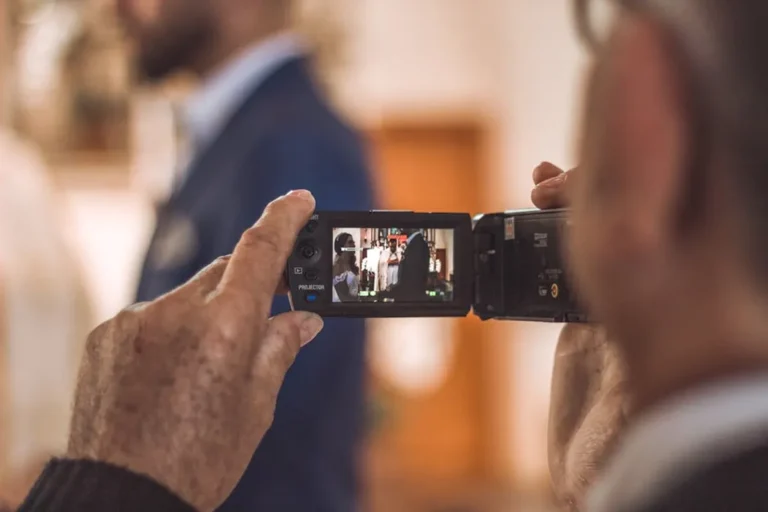
Visual content drives engagement, especially for local events. Incorporate high-resolution photos, short video clips showcasing the venue, preparations, or past event highlights. For example, a food festival can use Reels of chefs preparing dishes, while a craft fair can feature artisans at work. User-generated content (UGC) is also powerful; encourage attendees from previous events to share their experiences using a specific hashtag, which you can then reshare. This provides social proof and authentic appeal.
Compelling Copy and Calls to Action
Your written content must be concise, benefit-oriented, and include clear calls to action. Instead of just listing event details, explain the value proposition for attendees: "Discover unique artisanal crafts," "Network with local industry leaders," or "Enjoy an evening of live music and gourmet food." Inject a sense of urgency or exclusivity where appropriate ("Early bird tickets available until X date," "Limited spots remaining"). Every post should guide the user on the next step, whether it's "RSVP Now," "Buy Tickets Here," or "Learn More on Our Website."
Leveraging Local Hashtags and Geotagging
Local discovery relies heavily on specific targeting. Research and use a mix of broad and niche local hashtags. Examples include #YourCityEvents, #LocalBusinessNameMarket, #NeighborhoodFestival, #YourCityArtScene. Combine these with popular, relevant broader hashtags. Always geotag your posts and Stories with the precise event location. This makes your content discoverable by users searching for local happenings or browsing content from specific areas. For Instagram Stories, use location stickers prominently.
Pro Tip: Consistency in branding and messaging across all chosen social media platforms is non-negotiable. Use the same event name, logo, primary visuals, and core message. This reinforces recognition, builds trust, and prevents audience confusion, ensuring that every touchpoint contributes to a cohesive promotional effort.
Amplification and Engagement Tactics
Partnering with Local Influencers and Organizations
Collaborate with local community leaders, micro-influencers, complementary businesses, or non-profit organizations. A local food blogger promoting your restaurant's tasting event, or a community group sharing details about your charity run, can significantly expand your reach to a relevant audience. Offer them free tickets, unique access, or cross-promotion opportunities in exchange for their support.
Running Targeted Social Media Ads
Organic reach is often limited. Social media advertising platforms (Facebook/Instagram Ads, X Ads) allow precise targeting based on geography, demographics, interests, and behaviors. For local events, focus on location-based targeting, setting radii around your event venue. Consider Lookalike Audiences based on past attendees or website visitors. Allocate a specific budget to amplify key posts, drive ticket sales, or increase event page RSVPs. A/B test different ad creatives and copy to optimize performance.
Encouraging User-Generated Content and Shares
Foster a sense of community by encouraging attendees to share their experiences. Create a unique, memorable event hashtag and promote it everywhere (on signage, tickets, and all social posts). Run contests where participants share photos using the hashtag for a chance to win prizes. Set up an attractive photo booth or designated "selfie spots" at the event to inspire visual sharing. Actively engage with and reshare UGC, crediting the original posters, to amplify their content and show appreciation.
Measuring Performance and Iterating
Track key metrics to understand what's working and what needs adjustment. Monitor reach, engagement rates (likes, comments, shares, saves), click-through rates to ticket pages, and actual ticket sales or RSVPs directly attributable to social media. Most platforms provide analytics dashboards. Pay attention to which content types perform best, which hashtags drive discovery, and which ad creatives yield the highest conversion. Use these insights to refine your strategy for future posts and upcoming events.
Your Social Media Event Promotion Checklist
- Identify primary social platforms based on event type and audience demographics.
- Create comprehensive event pages with all details, high-quality visuals, and clear CTAs.
- Develop a content calendar balancing promotional posts with engaging, value-driven content.
- Utilize high-resolution images and short, dynamic video clips for visual appeal.
- Craft benefit-oriented copy with strong, specific calls to action.
- Implement a strategic mix of local and niche hashtags, and always use geotagging.
- Forge partnerships with local influencers, businesses, and community organizations.
- Allocate budget for targeted social media advertising, focusing on geographic and interest-based targeting.
- Actively encourage user-generated content and reshare compelling posts from attendees.
- Monitor platform analytics and adjust your strategy based on performance data.
Frequently Asked Questions
How much budget should I allocate for social media ads for a local event?
Ad budgets vary widely based on event size, target audience, and desired reach. Start with a modest daily budget ($10-$50) for a week or two before the event, focusing on your most critical platforms. Monitor performance daily and scale up successful campaigns. Consider a larger budget for high-value events or those requiring significant attendance.
What if my event is very niche or targets a small local community?
For niche or small community events, hyper-local platforms like Nextdoor become exceptionally valuable. Focus on community groups within Facebook, and consider direct outreach to local clubs, associations, or interest groups. Organic engagement and word-of-mouth amplified through personal shares can be more impactful than broad advertising.
How far in advance should I start promoting my local event on social media?
Begin promotion at least 3-6 weeks before the event for smaller gatherings, and 2-3 months for larger festivals or conferences. This allows time to build anticipation, secure early bird registrations, and adapt your strategy based on initial engagement. Gradually increase posting frequency as the event date approaches.