A meticulously planned event photography shot list is not merely a suggestion; it is the commercial and operational blueprint for successful event coverage. For photographers, agencies, and event organizers, this document translates client expectations into actionable photographic objectives, ensuring no critical moment is missed and every deliverable is anticipated. Crafting an effective shot list moves beyond a simple checklist, becoming a strategic tool that streamlines on-site execution, simplifies post-production, and ultimately elevates client satisfaction by guaranteeing comprehensive, purposeful imagery.
The Strategic Imperative of a Defined Shot List
In the fast-paced environment of live events, relying solely on intuition risks overlooking key details or failing to capture specific client requests. A well-structured shot list mitigates these risks by providing a clear, pre-approved roadmap. It serves as a single source of truth, aligning the photographer's efforts with the event's objectives and the client's vision.
- Ensures Comprehensive Coverage: Every event has core elements, from keynote speakers and VIP interactions to branding placements and candid attendee reactions. A shot list guarantees that all these facets are intentionally documented.
- Manages Client Expectations: By collaboratively developing the list, clients articulate their priorities, and photographers confirm their ability to deliver, preventing miscommunications and ensuring the final gallery meets specific needs.
- Optimizes On-Site Efficiency: During an event, time is a critical resource. A detailed list allows photographers to move strategically, anticipating upcoming moments and positioning themselves optimally, rather than reacting haphazardly.
- Facilitates Post-Production and Delivery: Images captured according to a shot list are inherently organized. This structure aids in culling, editing, and categorizing photos, accelerating the delivery process and ensuring all required assets are present.
Core Categories for Event Photography Coverage
A robust shot list breaks down an event into logical segments, ensuring that all key components are considered. These categories serve as a framework, which can then be populated with specific details relevant to each unique event.
Pre-Event and Setup Details
Capturing the anticipation and preparation sets the stage for the event narrative. These shots are crucial for showing the effort and detail involved in bringing the event to life.
Focus areas:
- Venue exterior and interior, empty before guests arrive.
- Decor elements, floral arrangements, table settings.
- Branding signage, banners, digital displays.
- Registration desk setup, welcome materials.
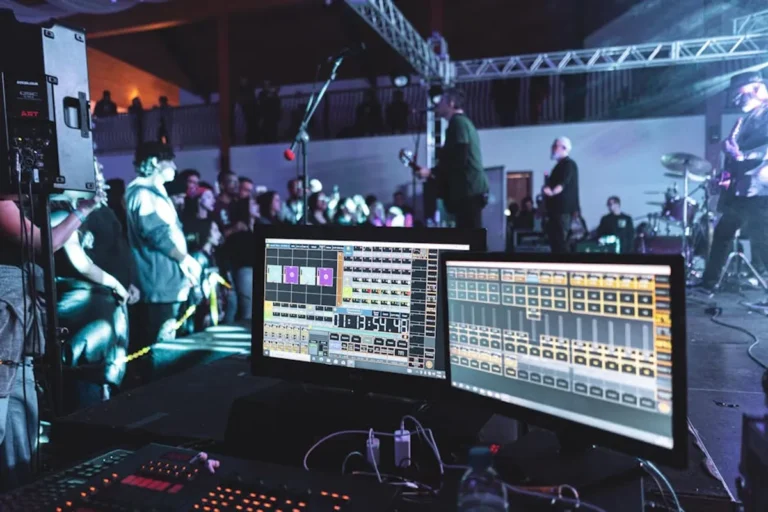
- Technical setup: A/V equipment, stage lighting, sound checks.
- Staff preparing, final touches, behind-the-scenes moments.
Arrivals, Networking, and Candid Interactions
The energy of an event often begins with the arrival of guests and early networking. These shots capture the human element and initial engagement.
Focus areas:
- Guests arriving, registering, and receiving welcome kits.
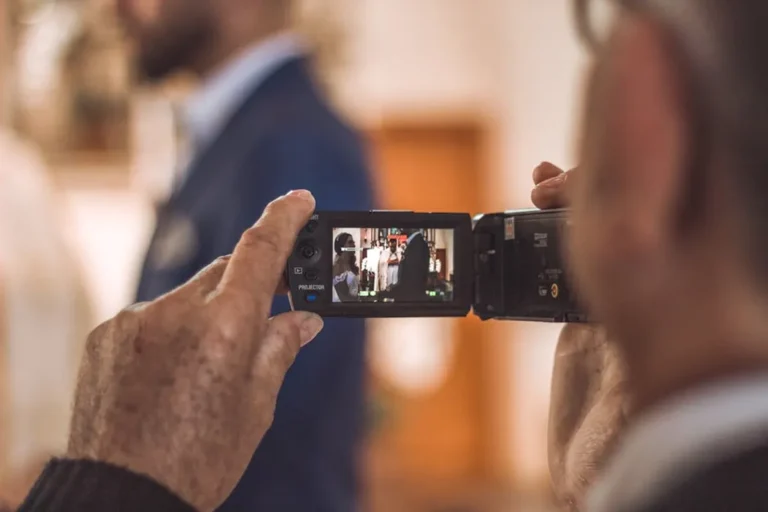
- Candid interactions, handshakes, conversations.
- Small group discussions, spontaneous networking.
- Attendees exploring the venue or exhibition areas.
- Expressions of excitement, curiosity, and engagement.
Speakers, Presenters, and Performances
Key individuals and scheduled performances are often central to an event's purpose. Comprehensive coverage requires a variety of perspectives.
Focus areas:
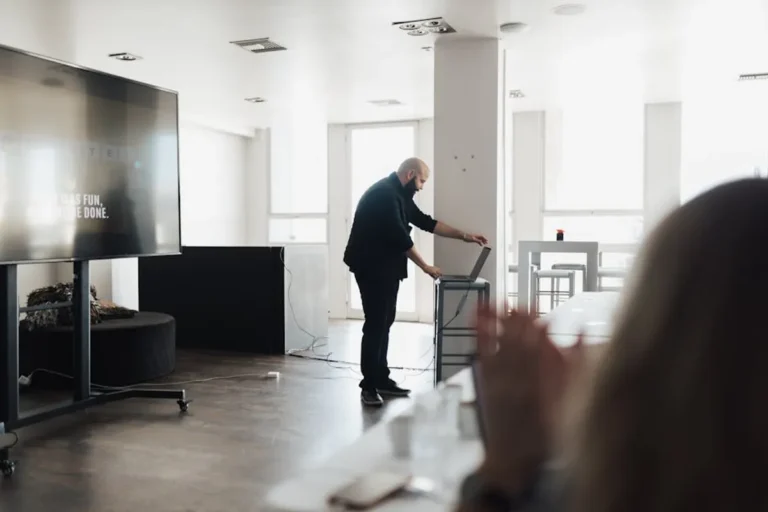
- Wide shots of the stage with the speaker/performer and audience.
- Medium shots focusing on the speaker/performer.
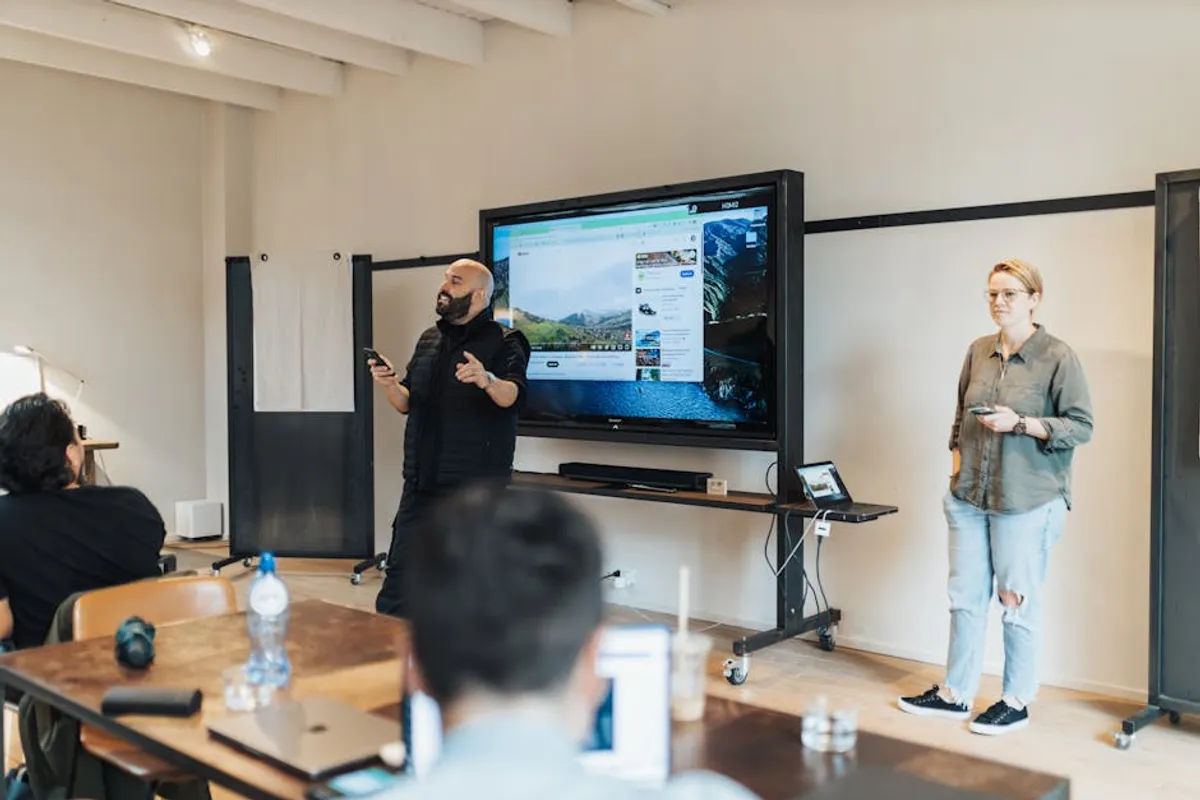
- Close-ups capturing expressions, gestures, and interaction with props or screens.
- Audience reactions: laughter, applause, focused listening.
- Q&A sessions, panel discussions, interactive segments.
Pro Tip: While a shot list provides invaluable structure, remain adaptable. The most compelling event photos often arise from spontaneous, unscripted moments that a rigid adherence to a list might miss. Be ready to deviate and capture the unexpected, always returning to the list as a baseline.
Branding, Sponsorship, and Key Messaging
For corporate events, conferences, or sponsored gatherings, documenting branding and sponsor visibility is paramount for marketing and partner reporting.
Focus areas:
- Prominent display of logos on banners, backdrops, and screens.
- Sponsor booths, activations, and interactive displays.
- Branded merchandise, giveaways, and collateral.
- Attendees interacting with branded elements.
- Signage directing attendees, event schedules with branding.
Awards, Presentations, and Ceremonial Moments
If the event includes formal recognition or significant milestones, these moments require precise timing and coverage.
Focus areas:
- Award recipients receiving recognition (handshakes, certificates, trophies).
- Group photos of awardees with presenters.
- Keynote speeches, ribbon cuttings, product launches.
- Audience reactions to significant announcements.
- Any specific rituals or traditions central to the event.
Integrating Client Input and Prioritization
The most effective shot lists are collaborative. Begin with a template, but customize it rigorously through client consultation. Identify VIPs, specific brand assets, and "must-have" moments versus "nice-to-have" general coverage. Prioritize shots by marking them as critical, high, or medium importance. This allows for strategic decision-making during the event, especially when unexpected delays or opportunities arise.
Technology for Shot List Management
While a printed checklist remains a reliable tool, digital solutions offer flexibility and collaboration. Simple spreadsheets (Google Sheets, Excel) allow for easy sharing and real-time updates. More advanced project management tools like Trello or Asana can organize shots as tasks, assigning them to specific photographers or time slots. Dedicated photography apps sometimes include shot list features, enabling photographers to check off items directly on their mobile devices during an event.
Optimizing Your Event Capture Workflow
A shot list is a living document that informs your entire event photography process. Before the event, review it with your team, ensuring everyone understands the priorities. During the event, use it as a constant reference, checking off completed shots and making notes on unexpected successes or challenges. Post-event, the shot list becomes a powerful tool for quality control, verifying that all client requirements have been met before final delivery. Regularly reviewing shot lists from past events, coupled with client feedback, allows for continuous refinement, building a more efficient and responsive photography service.
Frequently Asked Questions
What is the primary benefit of using an event photography shot list?
The primary benefit is ensuring comprehensive coverage of all critical moments, branding, and interactions, directly aligning photographic output with client expectations and minimizing the risk of missing key shots.
How detailed should an event photography shot list be?
A shot list should be detailed enough to clearly define each required image, including specific subjects (VIPs, speakers), actions (award presentation, networking), locations, and desired compositions (wide shot, close-up), without being so rigid that it stifles spontaneous capture.
Should I share my event photography shot list with the client?
Yes, sharing and collaboratively reviewing the shot list with the client before the event is crucial. This step ensures mutual understanding, confirms all priorities are included, and provides the client an opportunity to add specific requests or clarify details.
What should I do if the event deviates significantly from the shot list?
Maintain flexibility and communicate. Prioritize capturing critical moments as they unfold, even if they differ from the plan. If major deviations impact essential shots, discreetly inform the client or event organizer to manage expectations and adjust your focus accordingly.