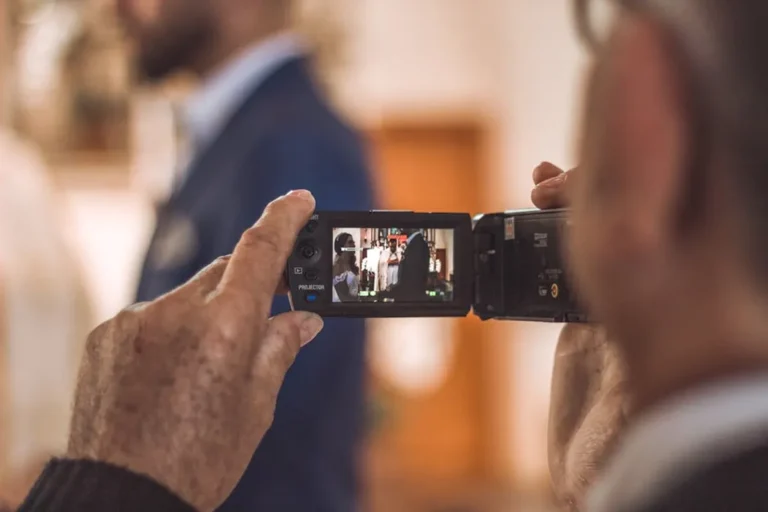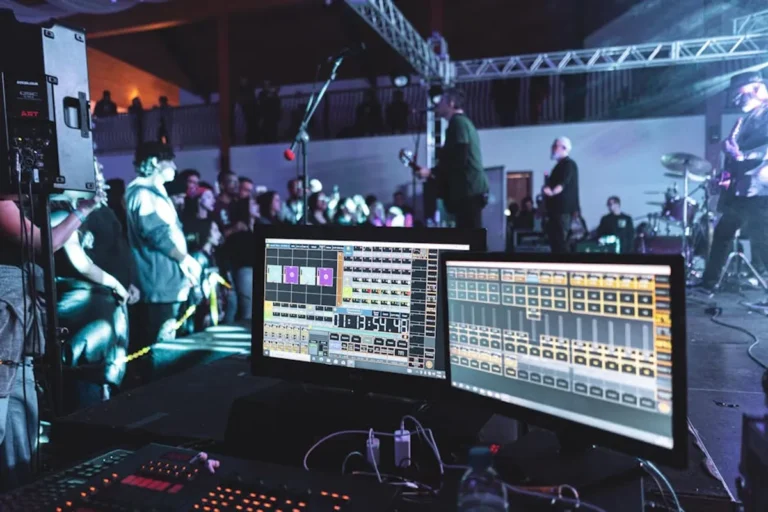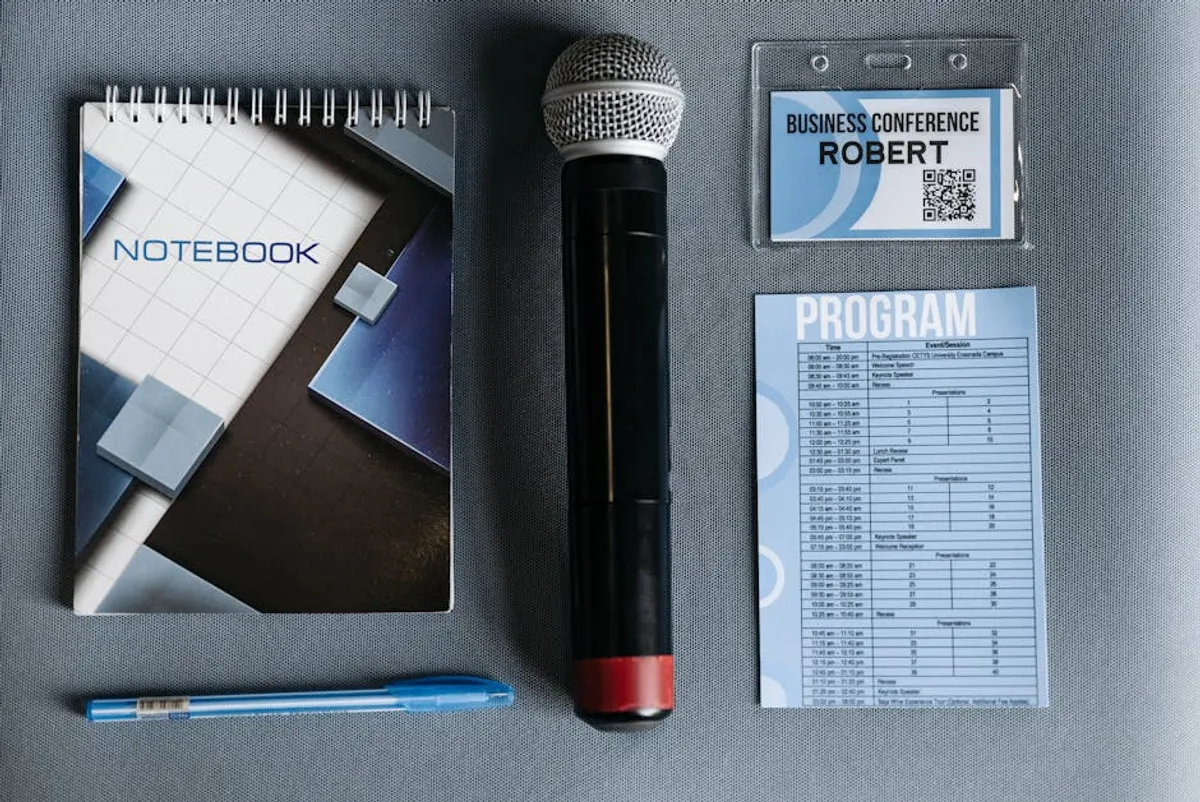
Small businesses often face budget and resource constraints when planning events, making the selection of an appropriate theme critical for maximizing return on investment. A well-chosen event theme not only attracts the target audience but also streamlines planning, enhances brand messaging, and creates memorable experiences that drive customer loyalty or lead generation. The objective is to identify themes that align with specific business goals, resonate with local demographics, and can be executed effectively within typical small business operational parameters. This guide outlines various event themes, detailing their strategic advantages and potential challenges, to assist small business owners in making informed decisions that yield tangible commercial benefits.
How to Choose the Right Event Theme
Selecting an event theme requires a clear understanding of your business objectives, target audience, and available resources. First, define the primary goal: is it lead generation, customer appreciation, brand awareness, or direct sales? This clarity will guide theme selection. Second, consider your target demographic's interests and preferences; an event should offer genuine value or entertainment to them. Third, assess your budget, venue options, and staffing capabilities. Complex themes requiring extensive decor, specialized equipment, or numerous personnel may exceed small business limitations. Prioritize themes that leverage existing brand strengths, offer opportunities for collaboration with other local businesses, and provide clear metrics for measuring success, such as ticket sales, social media engagement, or post-event survey responses. A theme's adaptability to various scales and its potential for future iteration also contribute to its long-term commercial viability.
1. Local Business Showcase
This theme positions a small business as a community hub, bringing together complementary local vendors or service providers. It leverages collective appeal to attract a broader audience than any single business might independently, fostering local economic support.
Best for: Businesses aiming to increase local foot traffic, establish community presence, and create cross-promotional opportunities.
Pros: Shared marketing efforts reduce individual costs; diverse offerings attract varied attendees; strengthens local business networks for future collaborations.
Cons: Requires significant coordination among multiple parties; revenue sharing models can be complex; success depends on the collective appeal of all participants.
Verdict: An effective strategy for building local brand equity and expanding reach, provided partner businesses are carefully selected for alignment and reliability.
2. Skill-Share Workshop Series
This theme positions the business as an authority or educator in a specific niche, offering attendees practical skills or knowledge. It transforms a product or service into an experiential learning opportunity, fostering deeper engagement.
Best for: Service-based businesses, creative studios, or product companies with a strong educational component.
Pros: Generates direct revenue through ticket sales; positions the business as an expert; collects valuable customer data and builds a loyal, engaged community.
Cons: Requires skilled instructors and well-structured content; limited scalability for physical workshops; high preparation time for each unique session.
Verdict: Excellent for demonstrating value and expertise, converting curious prospects into committed customers through direct, hands-on interaction.
3. Community Fundraiser Event
Aligning with a local charity or cause, this theme enhances a small business's corporate social responsibility profile. It attracts attendees motivated by philanthropy, creating positive brand associations and goodwill.
Best for: Businesses seeking to improve public image, engage with community values, and attract socially conscious consumers.
Pros: Boosts brand reputation and media visibility; fosters community goodwill; can attract attendees who might not otherwise engage with the business directly.
Cons: Requires careful selection of a reputable charity; potential for misinterpretation if not genuinely philanthropic; revenue generation is secondary to fundraising.
Verdict: A powerful tool for brand building and community integration, provided the charitable mission is authentic and transparently communicated.
4. Product Launch & Demo Day
This theme creates excitement and direct engagement around a new product or service. It provides a dedicated platform for demonstrations, Q&A sessions, and immediate sales conversions, generating initial momentum.
Best for: Businesses introducing new offerings, requiring direct user feedback, or aiming for immediate sales and media attention.
Pros: Generates immediate buzz and sales; allows for direct customer feedback; provides content for marketing campaigns; can secure pre-orders or early adopters.
Cons: Requires a fully developed product and clear presentation; success hinges on product appeal; high pressure for flawless execution and immediate impact.
Verdict: Essential for direct market entry, driving initial adoption, and gathering critical user insights to refine product development and marketing.
5. Seasonal Celebration Market
Capitalizing on holidays or seasonal changes, this theme creates a festive atmosphere that draws in families and casual shoppers. It offers a timely reason for consumers to visit and engage with the business.
Best for: Retailers, food businesses, or service providers looking to boost sales during specific calendar periods or attract a broader family audience.
Pros: High foot traffic potential due to seasonal appeal; encourages impulse purchases; offers opportunities for themed product bundles and promotions.
Cons: Highly dependent on weather and local competition; requires frequent theme changes; can be perceived as generic without unique offerings.
Verdict: A reliable strategy for driving cyclical sales and enhancing brand visibility during peak consumer spending periods, especially with unique twists.
6. Professional Networking Mixer
This theme establishes a small business as a facilitator of professional connections within its industry or local business community. It attracts professionals seeking new contacts, partnerships, or learning opportunities.
Best for: B2B service providers, consultants, or businesses aiming to cultivate industry relationships and generate qualified leads.
Pros: Attracts high-value prospects; fosters partnerships and referrals; positions the business as an industry thought leader or connector.
Cons: Requires careful curation of attendees for optimal networking; can be perceived as overly sales-focused if not managed well; success relies on attendance quality.
Verdict: Effective for lead generation and partnership development, provided the event delivers genuine networking value and a comfortable environment.
7. Pop-Up Shop / Experiential Retail
This theme offers a temporary, immersive brand experience, often in an unexpected location. It generates novelty and urgency, driving foot traffic and social media engagement through a unique, limited-time offering.
Best for: E-commerce brands, artisan producers, or service providers testing new markets or creating buzz around a specific product line.
Pros: Low commitment for venue; creates urgency and exclusivity; generates social media content; provides direct customer interaction and feedback.
Cons: Logistical challenges for temporary setups; requires significant pre-event promotion; success is highly dependent on location and novelty factor.
Verdict: An agile approach for market testing and brand exposure, particularly effective for direct-to-consumer businesses seeking physical presence without long-term overhead.
8. Educational Seminar / Expert Panel
This theme positions the business as a source of valuable insights and expertise within its field. It attracts an audience interested in professional development, industry trends, or specialized knowledge.
Best for: Consulting firms, tech companies, financial advisors, or any business with deep subject matter expertise to share.
Pros: Establishes thought leadership; generates high-quality leads; provides content for follow-up marketing; can charge for attendance.
Cons: Requires credible speakers and well-researched content; audience engagement can vary; potential for low attendance if topics are too niche or unappealing.
Verdict: A strong method for lead nurturing and brand authority, converting interested prospects into clients through demonstrated competence and value.
9. Wellness & Mindfulness Retreat
This theme caters to the growing demand for health, well-being, and personal development. It offers a restorative or skill-building experience that aligns with a lifestyle brand or service.
Best for: Yoga studios, health food businesses, coaching services, or businesses promoting a holistic lifestyle.
Pros: Attracts a dedicated and often affluent demographic; fosters deep customer loyalty; high perceived value allows for premium pricing.
Cons: Requires specialized instructors and suitable, often serene, venues; high logistical demands for multi-day events; niche appeal limits broad audience reach.
Verdict: Builds strong brand affinity and offers high-margin opportunities for businesses aligned with health and personal growth sectors.
10. Themed Tasting Event
This theme appeals to sensory experiences, focusing on culinary or beverage appreciation. It creates an engaging, social atmosphere around a product, encouraging direct consumption and sales.
Best for: Restaurants, cafes, breweries, wineries, specialty food stores, or businesses selling related products like kitchenware.
Pros: Drives immediate product sales; encourages social sharing and word-of-mouth marketing; high potential for repeat business and upselling.
Cons: Requires careful inventory management; potential for high per-attendee cost; success is highly dependent on product quality and presentation.
Verdict: An effective direct sales and marketing tool for consumable goods, creating a memorable experience that links directly to product enjoyment.
11. DIY Craft & Creative Workshop
This theme taps into the popularity of handmade goods and personal expression, offering participants a chance to create something tangible. It fosters a relaxed, interactive environment that encourages repeat visits.
Best for: Art supply stores, craft shops, gift boutiques, or businesses looking to engage a creative and hands-on audience.
Pros: Generates direct revenue from workshop fees and material sales; encourages creativity and personal accomplishment; creates shareable content.
Cons: Requires skilled instructors and adequate workspace; material costs can be high; workshop appeal can be very specific, limiting audience.
Verdict: Excellent for engaging a creative community, driving product sales through experiential learning, and building a loyal customer base for craft-related businesses.
12. Customer Appreciation Gathering
This theme focuses purely on rewarding existing customers, reinforcing loyalty and encouraging repeat business. It’s a relationship-building event that prioritizes retention over acquisition.
Best for: Any small business with an established customer base looking to strengthen relationships and foster long-term loyalty.
Pros: Boosts customer retention and reduces churn; generates positive word-of-mouth referrals; provides opportunities for direct feedback and testimonials.
Cons: Does not directly generate new leads; can be seen as an expense without immediate revenue return; requires accurate customer data for invitations.
Verdict: A critical investment in customer lifetime value, strengthening relationships and turning loyal patrons into brand advocates.
Measuring Event Success and Making the Final Choice
Post-event analysis is crucial for understanding the return on investment for any small business event. Key performance indicators (KPIs) should be established before the event's execution. These might include total attendance figures, lead generation numbers (e.g., sign-ups, contact card collections), direct sales revenue, social media mentions and engagement rates, and post-event survey responses regarding satisfaction and intent to purchase. For brand awareness goals, track website traffic spikes or media mentions. For loyalty, monitor repeat purchases or increased engagement from attendees.
When making the