
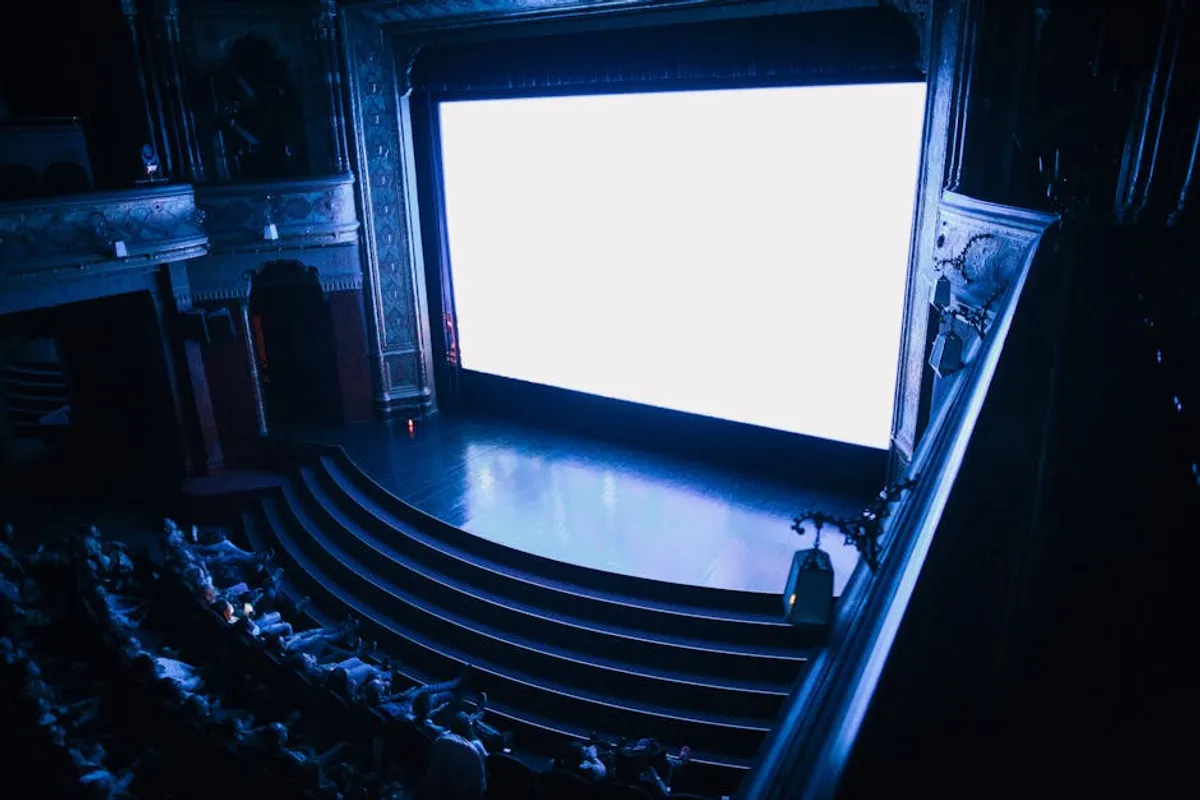
Stageandcinema operates as an online publication primarily focused on pop culture, with a strong emphasis on theatre and film. Its digital presence is shaped by the consistent publication of reviews, news, and critical commentary, positioning it within a competitive landscape where timely and insightful cultural analysis drives organic search visibility. Understanding Stageandcinema’s search profile involves dissecting its content strategy, the specific audience segments it targets, and the types of queries its articles are designed to satisfy, all of which contribute to its overall search engine performance.
What Stageandcinema Appears to Cover
The content published by Stageandcinema predominantly centers on performing arts and cinematic releases. This includes detailed reviews of theatrical productions, ranging from Broadway and West End shows to independent and regional theatre. For film, the site covers new releases, film festival coverage, and critical discussions of cinematic trends. Beyond reviews, Stageandcinema often features interviews with actors, directors, and playwrights, providing deeper insights into the creative process and industry perspectives. It also publishes news updates relevant to the arts and entertainment sectors, such as casting announcements, production details, and award season commentary. The site’s content categories extend to broader cultural commentary, often exploring the social and artistic impact of specific works or movements within pop culture. This blend of timely critiques and evergreen contextual pieces forms the backbone of its editorial offering.
Where Its Search Traffic May Come From
Stageandcinema’s organic search traffic likely originates from a mix of informational and commercial-investigational queries. Users searching for specific show titles, film names, or artist names (e.g., "review of [play title]," "new film by [director name]") contribute to branded and highly specific long-tail traffic. Informational searches such as "what is [play] about," "who starred in [movie]," or "themes in [film]" are also likely drivers, as the site provides detailed plot summaries, cast information, and critical analyses. Traffic may also come from users seeking recommendations or opinions, using queries like "best plays to see in [city]" or "is [movie] worth watching." Given its focus, many visitors are likely individuals actively planning to attend a performance or watch a film, or those seeking informed perspectives after an experience. The site’s content cadence, tied to release schedules and cultural events, means it captures traffic around peak interest periods for specific productions.
Search Intent Behind Stageandcinema
The primary search intents addressed by Stageandcinema’s content are informational and commercial-investigational.
Informational Intent: Readers often arrive seeking facts, background, or understanding. This includes queries about plot details, historical context of a play, biographical information about artists, or explanations of specific artistic techniques. Stageandcinema’s articles, particularly its in-depth analyses and interviews, directly serve this need by providing comprehensive details and expert commentary.
Commercial-Investigational Intent: While not directly transactional, a significant portion of its audience is likely in the decision-making phase for cultural consumption. Users searching for "reviews of [new film]," "should I see [play]," or "what critics say about [show]" are seeking informed opinions to guide their choices. Stageandcinema’s critical reviews and recommendations directly influence these decisions, acting as a trusted source for pre-purchase or pre-attendance research.
Navigational Intent: A smaller but consistent segment of traffic will be users specifically looking for the Stageandcinema website itself, often returning for its regular updates or specific reviewers.
Why Traffic May Rise or Fall
Stageandcinema’s search traffic fluctuations are closely tied to the cultural calendar and broader trends in entertainment. Traffic typically rises when major theatrical productions open, highly anticipated films are released, or significant cultural events (like award ceremonies or film festivals) occur, as these generate increased search interest. The site’s ability to publish timely, authoritative content around these events directly impacts its visibility. Conversely, traffic may fall during slower periods in the entertainment industry, or if content becomes less current compared to competing publications. Algorithm updates from search engines can also impact visibility, particularly those that prioritize content freshness, authoritativeness, or mobile experience. The depth and originality of its critical analysis play a role; unique perspectives are more likely to earn links and social shares, indirectly boosting search performance. Maintaining a consistent editorial voice and publishing schedule helps stabilize traffic by fostering a loyal audience and regular indexing by search engines.
How the Site Could Improve Organic Visibility
To enhance its organic visibility, Stageandcinema could focus on several key areas.
Expanding Topic Clusters
While strong in reviews, the site could build out more comprehensive topic clusters around specific genres, historical periods, or influential artists. For example, creating a hub page for "Shakespearean adaptations" or "independent film movements" with interlinked articles would signal deeper authority to search engines. This involves not just more articles, but a structured internal linking strategy that connects related content meaningfully.
Optimizing for "People Also Ask" Queries
Integrating answers to common questions found in "People Also Ask" sections of search results directly into articles or dedicated FAQ sections could capture more long-tail traffic. These often reveal informational gaps that Stageandcinema is well-positioned to fill, such as "What is the runtime of [play]?" or "Who wrote the music for [film]?"
Structured Data Implementation
Leveraging schema markup for reviews (e.g., Review Snippet schema), events (Event schema), and authors (Person schema) can provide richer search results, increasing click-through rates. This allows search engines to better understand the nature and context of the content, potentially leading to enhanced display in SERPs.
Content Freshness and Evergreen Updates
Beyond new releases, regularly updating evergreen content, such as "best films of the decade" or "influential playwrights," with new insights or current perspectives can keep these pages relevant and performing well. This signals to search engines that the site maintains its content actively.
What to Check Before Trusting Traffic Estimates
When evaluating Stageandcinema's search traffic, it is crucial to approach third-party estimates with caution. Tools that provide traffic figures often rely on various data collection methods, including panel data, ISP data, and public APIs, which can lead to significant discrepancies. These estimates are best used for directional analysis rather than precise measurement. For an accurate understanding of Stageandcinema's actual organic performance, direct access to its analytics platforms, such as Google Analytics or similar first-party data, is indispensable. This provides granular detail on keyword performance, page-level traffic, user behavior, and conversion metrics that no third-party tool can replicate. Without direct access, any figures should be considered approximations and used primarily for competitive benchmarking or broad market trend analysis rather than definitive performance assessment.
Frequently Asked Questions About Stageandcinema
What types of cultural content does Stageandcinema primarily focus on?
Stageandcinema primarily focuses on theatrical productions and film, offering detailed reviews, news, and critical commentary on both new releases and established works within these performing arts categories.
How does Stageandcinema attract readers interested in pop culture?
The site attracts readers through timely coverage of major cultural events, in-depth critical analysis of plays and films, and interviews with key figures in the entertainment industry, satisfying both informational and commercial-investigational search intents.
What is the typical depth of analysis found in Stageandcinema's articles?
Stageandcinema's articles often feature in-depth critical analysis, exploring themes, directorial choices, performances, and the broader cultural context of the works being reviewed or discussed, moving beyond simple plot summaries.
Does Stageandcinema cover a wide range of theatrical genres?
Yes, Stageandcinema covers a broad spectrum of theatrical genres, including contemporary dramas, classic revivals, musicals, and experimental productions, reflecting the diversity of the stage world.



