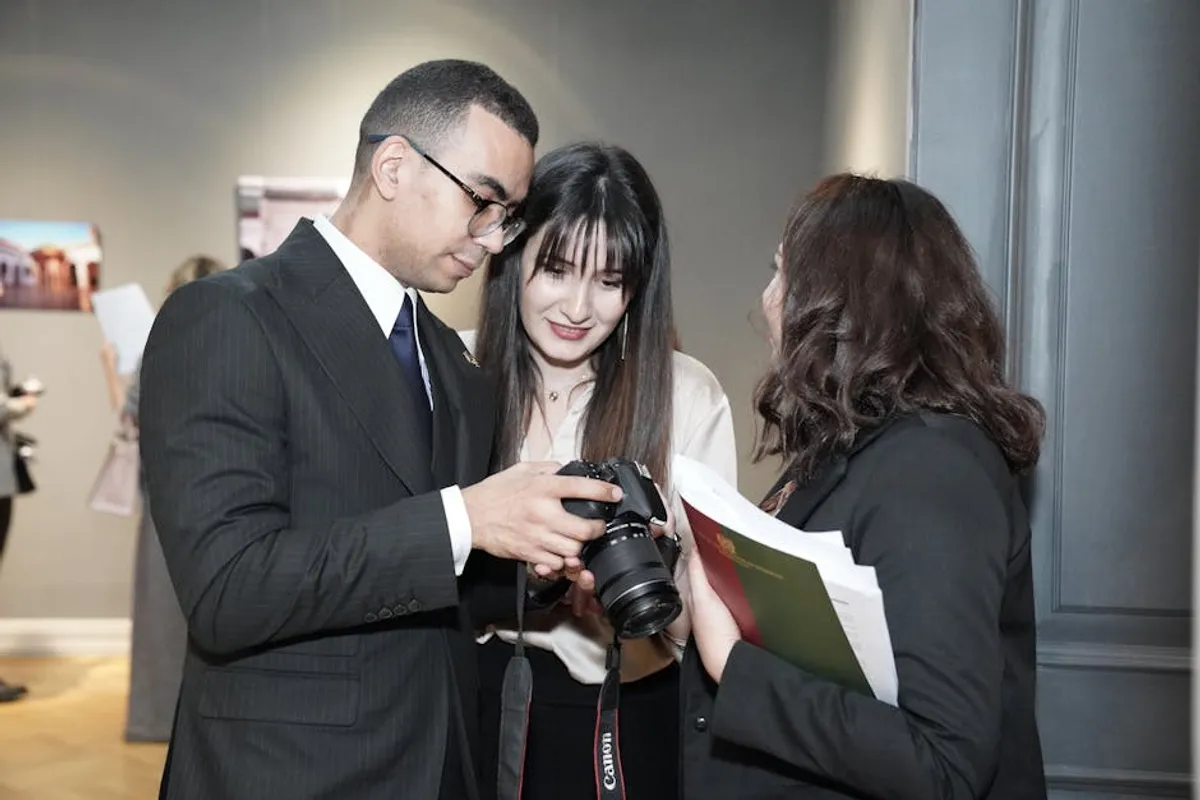
A photography shot list for corporate events is not merely a checklist; it is a strategic blueprint that ensures every captured image serves a specific marketing, branding, or archival purpose. Without a defined list, event photography risks becoming a collection of generic images lacking commercial utility. This guide outlines the critical components and strategic considerations for developing a robust shot list, transforming event photography from a reactive expense into a proactive asset for future campaigns, internal communications, and public relations.
Defining Corporate Event Photography Objectives
Before compiling any list of specific shots, clarify the overarching goals for your event photography. Each image should contribute to these objectives, ensuring the final gallery delivers tangible value rather than just documentation.
Brand Storytelling & Public Relations
Photography for brand storytelling focuses on conveying the company's values, culture, and mission through visual narratives. For PR, images must be suitable for media kits, press releases, and social media announcements, often requiring high-resolution, editorial-style shots. Consider how each photo will reinforce your brand identity and message.
- Visualizing Company Culture: Shots of employees collaborating, interacting with attendees, or engaging in team-building activities.
- Leadership Presence: Clear, professional headshots and candid interaction shots of key executives, speakers, and VIPs.
- Brand Elements in Context: Logos, signage, branded merchandise, and color schemes prominently featured but integrated naturally into the event environment.
Marketing & Sales Collateral
Event photos are valuable assets for future marketing and sales efforts. They can populate websites, brochures, social media feeds, and presentations, demonstrating engagement and expertise. The shot list should anticipate these specific uses.
Best for: Website hero images, social media campaigns, case studies, internal newsletters, future event promotions.
Focus on capturing dynamic moments that convey energy, interaction, and positive attendee experiences. These images should elicit aspirational feelings or demonstrate the value proposition of attending similar future events or engaging with your brand.
Internal Communications & Archiving
Beyond external marketing, event photography serves crucial internal functions. It helps celebrate achievements, recognize employees, and build a visual history of the company. Archival images can be used for annual reports, internal presentations, and historical documentation.
Ensure a balance between professional, posed shots and authentic, candid moments that reflect the true spirit of the event and its participants. These images contribute to a long-term visual library.
Essential Categories for a Corporate Event Shot List
A comprehensive shot list categorizes photos by subject matter and strategic intent, ensuring no critical visual opportunity is missed. This structure helps both the event planner and the photographer organize their efforts.
Venue & Atmosphere Shots
These establish the setting and overall mood of the event. They are crucial for conveying scale, professionalism, and the attendee experience.
- Exterior establishing shots: Venue facade, prominent signage, attendee arrival.
- Interior wide shots: Conference rooms, exhibit halls, reception areas, dining spaces (before and during the event).
- Decor and branding details: Floral arrangements, table settings, branded backdrops, lighting.
- Empty room shots: Clean, uncluttered views of key spaces before attendees arrive for promotional use.
Keynote Speakers & Presentations
Capturing speakers effectively requires anticipating their movements and presentation styles. These shots highlight thought leadership and content delivery.
- Speaker at the podium: Wide, medium, and close-up shots.
- Speaker interacting with screen/slides: Showing engagement with presentation materials.
- Audience reactions: Attendees listening, taking notes, laughing, applauding.
- Panel discussions: All panelists in frame, individual panelists speaking, moderator interaction.
- Q&A sessions: Speaker responding, audience members asking questions.
Attendees & Networking
These images showcase the human element, emphasizing engagement, connection, and the value of networking. They are vital for illustrating a vibrant, interactive event environment.
- Small group discussions: Candid shots of attendees conversing.
- One-on-one interactions: Handshakes, focused conversations.
- Attendees engaging with exhibits/booths: Demonstrating interest and interaction.
- Diverse attendee representation: Ensuring a broad range of demographics are visibly present.
Brand Activations & Sponsorships
For events with sponsors or specific brand activations, dedicated shots are necessary to deliver on partner agreements and highlight key features.
- Sponsor booths/displays: Clear shots of branding, products, and staff interacting with attendees.
- Branded photo opportunities: Step-and-repeat backdrops, interactive installations.
- Product demonstrations: Attendees engaging with or observing product showcases.
Candid Moments & Behind-the-Scenes
These shots add authenticity and often reveal the true spirit of an event. They can be particularly effective for social media and internal communications.
Pro Tip: When planning for candid shots, brief your photographer to look for genuine interactions and expressions that align with your brand's desired emotional tone. Avoid overly staged "candid" shots; true authenticity resonates more powerfully with audiences. Ensure necessary consent forms are in place for identifiable individuals.
Group Photos & VIPs
Formal and informal group photos serve various purposes, from executive team documentation to sponsor recognition.
- Executive leadership team: Posed and candid shots.
- Award winners/honorees: Receiving awards, interacting with presenters.
- Key stakeholders/partners: Posed group shots or interactions.
Structuring Your Shot List for Execution
A well-structured shot list is a practical tool for the photographer, not just a wish list. It should be clear, prioritized, and account for logistical realities.
Prioritization and Must-Haves
Assign priority levels to each shot (e.g., "Critical," "High Priority," "Desirable"). This ensures that if time or circumstances limit coverage, the most important images are still captured.
Example: A keynote speaker's opening remarks might be "Critical," while a specific attendee interaction might be "Desirable."
Logistics and Timing Considerations
Integrate the shot list with the event's agenda. Specify ideal times and locations for certain shots, especially for scheduled activities or VIP appearances. Include details like "during coffee break," "at the main stage," or "before doors open."
Provide a detailed event schedule to the photographer, highlighting key moments for coverage. This proactive planning minimizes disruption and maximizes photographic opportunities.
Communication with the Photographer
The shot list is a living document for collaboration. Discuss it thoroughly with your chosen photographer well in advance of the event. Explain the strategic intent behind different shot categories and specific requests. Share brand guidelines, color palettes, and any visual examples that convey your desired aesthetic.
Maximizing Your Visual Assets
A meticulously prepared photography shot list for corporate events is an indispensable tool for maximizing the return on your photography investment. It transforms event documentation into a strategic content creation process, ensuring that every image captured aligns with your marketing, branding, and communication objectives. By proactively defining your visual needs, you equip your photographer to deliver a gallery of commercially useful assets that extend the life and impact of your event far beyond its conclusion.
Frequently Asked Questions
How detailed should a corporate event shot list be?
A shot list should be detailed enough to convey specific requirements (e.g., "speaker at podium, wide shot, showing audience engagement") but flexible enough to allow the photographer creative freedom to capture unexpected valuable moments. Balance specificity with practical execution.
Who should create the shot list?
The shot list is best developed collaboratively by the event organizer, marketing team, and potentially the PR department. This ensures all stakeholders' visual needs are considered and prioritized before sharing with the photographer.
What if the event is dynamic and hard to plan?
For highly dynamic events, focus on broader categories and key moments rather than minute-by-minute shot requests. Prioritize critical shots and communicate the overall event flow and desired atmosphere to the photographer, allowing them to anticipate and react effectively.
How can I ensure brand consistency through event photos?
Provide your photographer with a brand style guide, including preferred color palettes, logo usage guidelines, and examples of past photography that align with your brand's aesthetic. Highlight specific brand elements that must be captured clearly and consistently throughout the event.