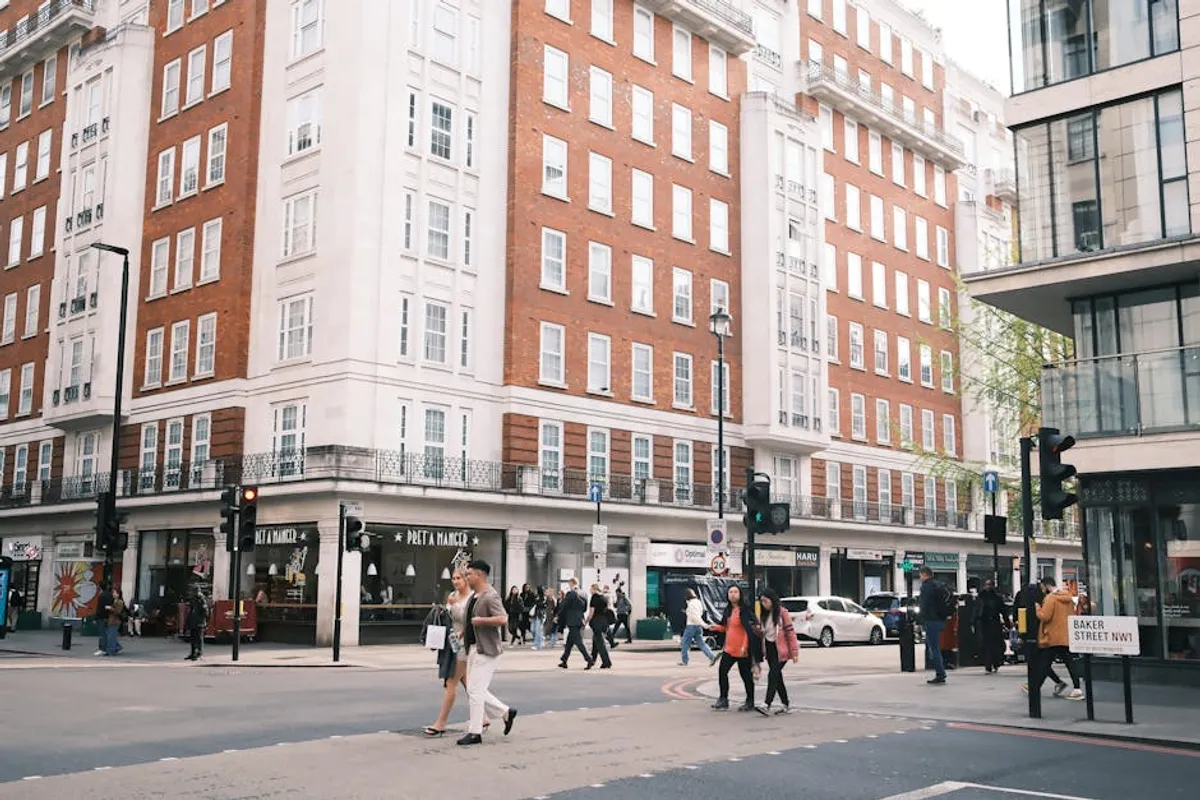
Mayfair London represents a significant topic cluster within the broader search landscape, drawing substantial interest not just for its geographical location but for its deep cultural resonance. Analyzing the search intent and contextual layers surrounding "Mayfair London" reveals a complex interplay of historical significance, luxury branding, and pervasive pop culture references. Understanding these dimensions is crucial for any content strategy aiming to capture relevant organic traffic, as users arrive with varied expectations ranging from practical visit planning to curiosity driven by media portrayals. The commercial value of this search space is considerable, often linking to high-value transactional queries for real estate, luxury goods, and hospitality, alongside informational needs rooted in its cultural legacy.
What Mayfair London Appears to Cover
The content ecosystem surrounding Mayfair London is diverse, reflecting its multifaceted identity. Core topics include its status as a premier luxury district, encompassing high-end retail, Michelin-starred restaurants, and exclusive hotels. This attracts searchers interested in experiential content, such as "best luxury hotels Mayfair," "fine dining Mayfair," or "designer boutiques London." Beyond direct commercial interests, Mayfair's historical narrative is a strong content driver, with articles detailing its aristocratic past, architectural heritage, and evolution from a rural fairground to an elite urban quarter. This satisfies informational intent for queries like "history of Mayfair London" or "famous residents Mayfair."
A distinct and commercially valuable segment of content addresses Mayfair's indelible mark on pop culture. This includes its prominent feature as the most expensive property on the Monopoly board, generating searches such as "Mayfair Monopoly price" or "Mayfair board game history." Literary and cinematic references are also common, with content exploring film locations, novel settings, and character associations within the district. Music also plays a role, with articles discussing songs that mention Mayfair, like The Jam's "Mayfair" or various jazz standards. These pop culture touchpoints provide unique angles for content creation, drawing in audiences who might not initially be searching for traditional travel or luxury information but are instead driven by curiosity stemming from media consumption.
Where Its Search Traffic May Come From
Search traffic for Mayfair London originates from a spectrum of user intents and keyword types. Direct, high-volume queries like "Mayfair London" often serve as navigational entry points for users seeking general information or specific businesses. However, a substantial portion of traffic is likely driven by more granular, long-tail keywords. These include specific brand searches (e.g., "Burlington Arcade shops"), event-related queries (e.g., "Mayfair Art Weekend"), or location-specific service searches (e.g., "private banking Mayfair").
Pop culture influences create distinct traffic funnels. For instance, a user searching for "Monopoly Mayfair facts" might land on content detailing the district's history and current status, potentially leading them to explore real-world luxury offerings. Similarly, someone looking up a film location in Mayfair could transition to searching for nearby attractions or dining options. This indicates a significant portion of Mayfair-related search traffic is not purely transactional but often starts with informational or entertainment-driven intent, which can then be guided towards commercial outcomes through well-structured content.
Search Intent Behind the Subject
The search intent surrounding Mayfair London is notably diverse. Informational intent is high, driven by general curiosity about its history, famous landmarks, and cultural significance. Users might ask "What is Mayfair known for?" or "Where is Mayfair London?" Navigational intent is evident for those seeking specific addresses, businesses, or directions within the district, often using queries like "Brown's Hotel Mayfair address" or "how to get to Savile Row."
Commercial investigation intent is strong, particularly for high-value purchases. This includes searches for "luxury apartments Mayfair," "Mayfair art galleries for sale," or "exclusive members clubs London." Transactional intent follows, with users ready to book or buy, exemplified by queries such as "book Mayfair hotel suite" or "buy designer watch Mayfair." The pop culture aspect overlays these intents, as a search for "Mayfair in literature" might be purely informational, but a search for "Monopoly experience London" could lead to a transactional booking for a themed event or a commercial investigation into related merchandise. Content must cater to this full spectrum, guiding users from initial curiosity to potential conversion.
Why Traffic May Rise or Fall
Organic traffic to Mayfair London-related topics is influenced by several external factors. Seasonal tourism plays a role, with peaks during holiday periods and major events in London. Economic conditions, particularly those affecting luxury spending, can impact commercial search volumes for high-end goods and services. New pop culture releases, such as films, TV series, or books set in or referencing Mayfair, can cause significant spikes in related informational queries. For example, a new adaptation of a classic novel featuring Mayfair could temporarily increase searches for "Mayfair literary locations."
Local events, art exhibitions, or fashion weeks held in Mayfair also generate temporary surges in traffic for specific dates and venues. Conversely, negative press, economic downturns, or a decline in general tourism to London could lead to a decrease in overall search volume. Algorithmic updates from major search engines can also shift visibility, favoring content that better addresses user intent or demonstrates higher authority on specific sub-topics within the Mayfair cluster.
How the Site Could Improve Organic Visibility
To enhance organic visibility for Mayfair London-related searches, content strategies should focus on creating authoritative, comprehensive, and uniquely angled articles. Developing deep-dive content around specific pop culture connections could capture niche but highly engaged audiences. For instance, an article titled "The Real-Life Inspirations Behind Monopoly's Mayfair" or "Mayfair in Film: A Walking Tour of Iconic Locations" would target specific informational and experiential intents.
Expanding topic clusters to include comparative content, such as "Mayfair vs. Knightsbridge: A Guide to London's Luxury Districts," can capture users in the commercial investigation phase. Creating evergreen content that details the history of specific streets, famous residents, or architectural styles would also attract consistent informational traffic. Implementing robust schema markup for locations, events, and businesses within Mayfair would improve search engine understanding and potentially enhance rich snippet visibility. Regular content audits to identify outdated information or broken links are also crucial for maintaining authority and user experience.
What to Check Before Trusting Traffic Estimates
When evaluating traffic estimates for a broad topic like Mayfair London, it is critical to look beyond aggregate numbers. These estimates often combine a wide array of search intents and keyword difficulty levels, which can obscure the true potential for specific content types. Instead, focus on segmenting keywords into distinct clusters based on intent (e.g., informational, transactional, pop culture-driven). Analyze the estimated traffic for these specific clusters to understand which areas offer the most viable opportunities for capturing targeted audiences.
Verify the source of traffic estimates and understand their methodology, as different tools employ varying data collection and projection techniques. Pay close attention to keyword seasonality and trending topics, as these can significantly inflate or deflate monthly search volumes for certain terms. Ultimately, a granular, intent-based analysis of keyword data provides a more accurate and actionable picture of potential organic traffic than broad, top-level figures.
What types of pop culture references are most relevant to Mayfair London search intent?
The most relevant pop culture references for Mayfair London search intent typically revolve around its appearance in classic board games like Monopoly, its portrayal in literature and film as a setting for wealth and intrigue, and its mentions in music. These references often drive informational searches from users curious about the real-world location behind the fictional or artistic depiction.
How does Mayfair's luxury status influence its search traffic patterns?
Mayfair's luxury status heavily influences search traffic by attracting users with high commercial and transactional intent. This manifests in searches for high-end retail, exclusive dining, luxury accommodation, and premium real estate. These queries often indicate a strong intent to purchase or book, making them valuable for businesses operating within the district.
Can content about Mayfair's history attract commercial search intent?
Yes, content about Mayfair's history can attract commercial search intent indirectly. While initial historical searches are informational, well-crafted content can highlight historical luxury brands still present, renowned architectural styles, or the district's evolution into a prestigious commercial hub. This can then guide users towards exploring current luxury offerings or real estate opportunities, bridging informational curiosity with commercial interest.
What are common content gaps in the Mayfair London search landscape?
Common content gaps in the Mayfair London search landscape often include highly specialized deep dives into specific pop culture connections, comparative analyses with other global luxury districts, and detailed guides on lesser-known historical anecdotes or niche cultural events. There's also room for more interactive content, such as virtual tours of famous Mayfair locations linked to media references, which can enhance user engagement and time on page.