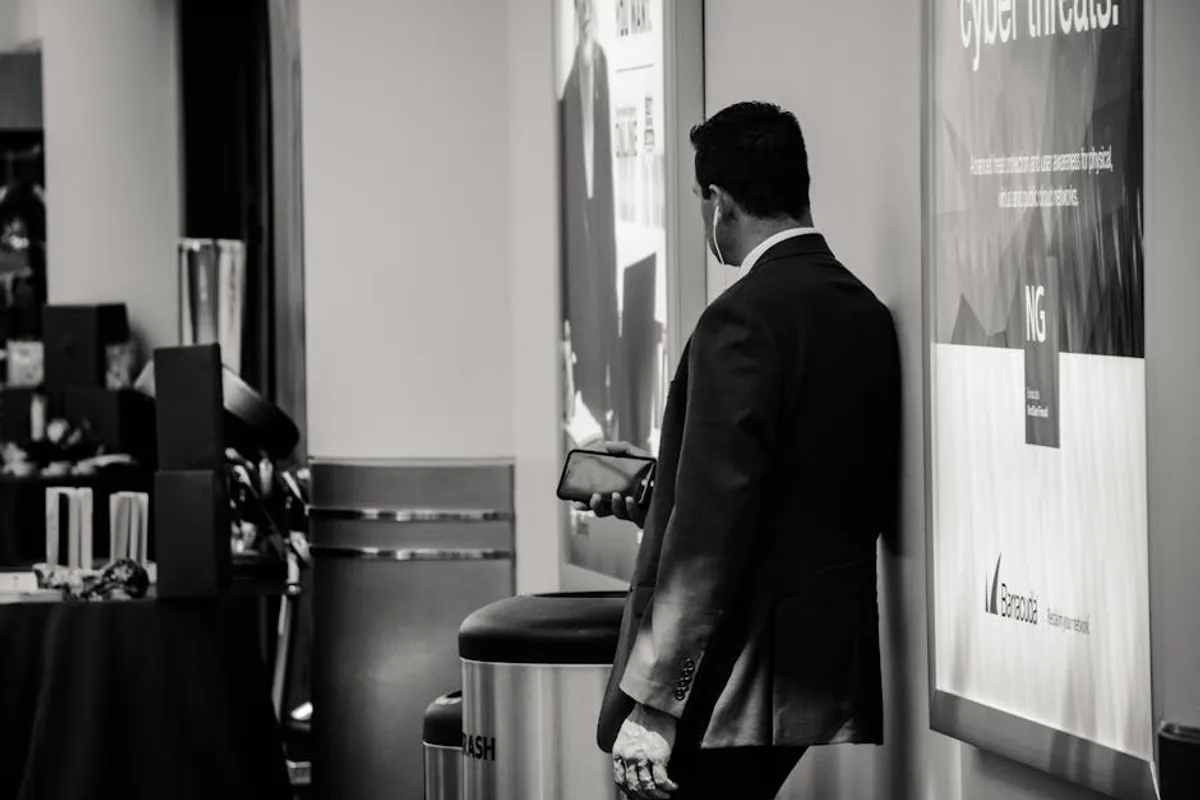
Event photos represent more than just visual documentation; they are a direct, authentic content asset for marketing. Businesses frequently invest significantly in events, from conferences and product launches to workshops and community gatherings. The visual output from these events, when strategically managed, extends their value far beyond the event date itself. This guide outlines how to systematically transform raw event photography into compelling, conversion-driving marketing content, ensuring every captured moment contributes to your brand's narrative and commercial objectives. To maximize this value, consider planning a content calendar that strategically schedules the use of these assets throughout the year.
Pre-Event Planning for Post-Event Content
Effective photo-driven marketing begins long before the first shutter click. Strategic foresight ensures that the images captured serve specific marketing goals, reducing post-event content gaps and maximizing visual utility.
Define Your Visual Narrative
Before any event, articulate the core message or feeling your photos need to convey. This narrative should align directly with your broader marketing objectives. For instance, if the goal is to position your brand as innovative, photos should highlight cutting-edge technology, engaged speakers, and dynamic interactions. If the aim is community building, focus on candid shots of networking, collaboration, and shared experiences. This clarity guides photographers and content creators, ensuring relevant imagery is prioritized.
Shot List and Permissions
A detailed shot list is an indispensable tool. It translates your visual narrative into actionable instructions for photographers. Categorize shots by their intended marketing use:
- Social Media: Wide shots for atmosphere, close-ups of key speakers, candid attendee reactions, product demonstrations.
- Blog Posts/Website: High-resolution hero images, sequential shots illustrating a process, diverse group photos.
- Press Kits: Professional headshots of speakers, wide shots of main stage, key moments with clear branding.
- Case Studies/Testimonials: Specific individuals engaging with your product or service, smiling attendees holding branded materials.
Simultaneously, establish a clear process for obtaining photo releases. For public events, a general notice at registration or on tickets often suffices. For smaller, more intimate gatherings, or when featuring specific individuals prominently, direct consent is crucial. This protects your organization from potential legal issues and allows for broader content usage.
Technical Considerations
Marketing content requires technical quality. Ensure photographers understand the need for high-resolution images suitable for both print and digital applications. Discuss lighting conditions, especially in varied indoor/outdoor settings. Crucially, emphasize the capture of clear branding elements—logos on backdrops, signage, branded merchandise—without being obtrusive. Consistent branding across all visuals reinforces recognition and professionalism.
Processing and Curation for Marketing Impact
Raw photos are just data; their marketing value emerges through careful selection, editing, and organization.
Selection Criteria
When reviewing hundreds or thousands of photos, apply rigorous selection criteria. Prioritize images that:
- Evoke strong emotional responses (excitement, focus, collaboration).
- Feature clear, well-composed subjects without distractions.
- Showcase brand elements naturally and prominently.
- Are technically sound (in focus, well-exposed, good color).
- Align with the pre-defined visual narrative and marketing goals.
- Represent diverse attendees and perspectives.
Discard blurry, poorly lit, or redundant shots immediately. Focus on a curated set of impactful images rather than a large volume of mediocre ones.
Editing for Consistency
All selected images must undergo editing to align with your brand's visual identity. This involves:
- Color Correction: Adjusting white balance, exposure, and contrast for a uniform look.
- Cropping: Optimizing composition and aspect ratios for different platforms (e.g., square for Instagram, wide for blog banners).
- Retouching: Minor adjustments like removing distracting elements or subtle skin smoothing, maintaining authenticity.
- Branding Overlays: Judicious application of watermarks or subtle logos if appropriate for specific channels, ensuring they don't detract from the image.
Consistency in editing reinforces brand recognition and professionalism across all marketing touchpoints.
Metadata and Organization
For long-term utility and discoverability, robust organization is essential. Implement a system for adding metadata to every image:
- Keywords: Relevant terms describing the event, subjects, emotions, and themes. This aids internal search and SEO for image-heavy pages.
- Captions: Descriptive text explaining the context, who is featured, and the significance of the moment.
- Alt Text: Concise, descriptive alternative text for accessibility and search engine indexing.
- Copyright Information: Embed copyright details directly into the image files.
Store images in a centralized digital asset management (DAM) system or a well-structured cloud storage, categorized by event, date, and usage rights. This ensures quick access for future campaigns.
Strategic Distribution Across Marketing Channels
Once curated, event photos become versatile assets for various marketing channels, each requiring a tailored approach.
Social Media Engagement
Social platforms thrive on visual content. During the event, share real-time updates with engaging photos to generate buzz. Post-event, create highlight reels, carousels, or story series showcasing key moments. Encourage attendees to share their own photos using a specific hashtag, fostering user-generated content (UGC) and expanding reach. Tag relevant speakers, sponsors, and attendees to further amplify visibility.
Website and Blog Integration
Your website is a primary hub for event content. Create dedicated event recap blog posts featuring a rich selection of photos, providing visual context to written summaries. Use high-quality images as hero banners for event landing pages or as visual anchors within longer articles. A dedicated photo gallery section can serve as a visual archive, demonstrating the scale and success of past events to prospective attendees or sponsors.
Email Marketing and Lead Nurturing
Emails become more engaging with compelling visuals. Include event photos in post-event thank-you emails to attendees, reinforcing positive memories. For non-attendees, use striking images to highlight key takeaways or future event announcements, driving interest and sign-ups. Visuals can also be integrated into lead nurturing sequences, demonstrating the value and experience of your events.
Press Kits and Media Outreach
Provide high-resolution, rights-cleared event photos as part of your press kit. Journalists and media outlets require quality visuals to accompany their stories. Offering a curated selection of professional images increases the likelihood of media coverage and ensures your brand is represented accurately and professionally.
Repurposing for Long-Term Value
Event photos are not single-use assets. Repurposing them extends their lifecycle and maximizes your initial investment.
Infographics and Data Visualization
Combine event photography with event-specific data (e.g., attendance numbers, survey results, key statistics) to create engaging infographics. Use photos as background elements or to highlight specific data points, making complex information more digestible and shareable.
Presentation Decks and Sales Materials
Elevate your sales presentations, investor decks, and internal reports by incorporating dynamic event imagery. Photos of engaged audiences, successful product demonstrations, or key executives speaking add authenticity and visual appeal, reinforcing your brand's impact and credibility.
Testimonials and Case Studies
Pair compelling attendee testimonials or success stories with their photos taken at the event. This adds a human element and credibility, making the testimonials more relatable and impactful for potential clients or partners. Visuals strengthen the emotional connection and build trust.
Pro Tip: Ethical Photo Usage
Always prioritize ethical considerations. Ensure you have explicit or implied consent for all individuals featured prominently in marketing materials. Be mindful of privacy, especially when capturing candid moments. A clear photo policy communicated pre-event can mitigate issues and build trust with your audience.
Maximizing Visual ROI
Turning event photos into effective marketing content is an iterative process requiring planning, precise execution, and ongoing management. By treating event photography as a strategic asset rather than a mere record, organizations can continuously extract value, reinforce brand identity, engage audiences, and support commercial objectives long after the event itself concludes. A well-managed photo library becomes a perpetual source of authentic, high-impact marketing collateral.
Frequently Asked Questions
What's the most important step for using event photos in marketing?
Defining a clear visual narrative and creating a detailed shot list before the event is crucial. This ensures photos are captured with specific marketing goals in mind, making them relevant and actionable for post-event content creation.
How do I ensure brand consistency in event photos?
Provide clear brand guidelines to your photographers, emphasizing specific colors, logo placement, and desired mood. Post-production editing should then standardize color correction, cropping, and overall aesthetic across all selected images to maintain a cohesive brand look.
Can I use photos from virtual events for marketing?
Yes, virtual event screenshots, speaker headshots, and graphics showcasing engagement (e.g., chat highlights, poll results) can be effectively used. Focus on capturing key moments, speaker expressions, and branded virtual backgrounds to create compelling marketing content.
What are common pitfalls to avoid when using event photos?
Avoid using low-resolution or blurry images, neglecting photo consent, or failing to optimize images with alt text and captions. Also, resist the urge to use too many similar photos; prioritize a curated selection of diverse, high-impact visuals.