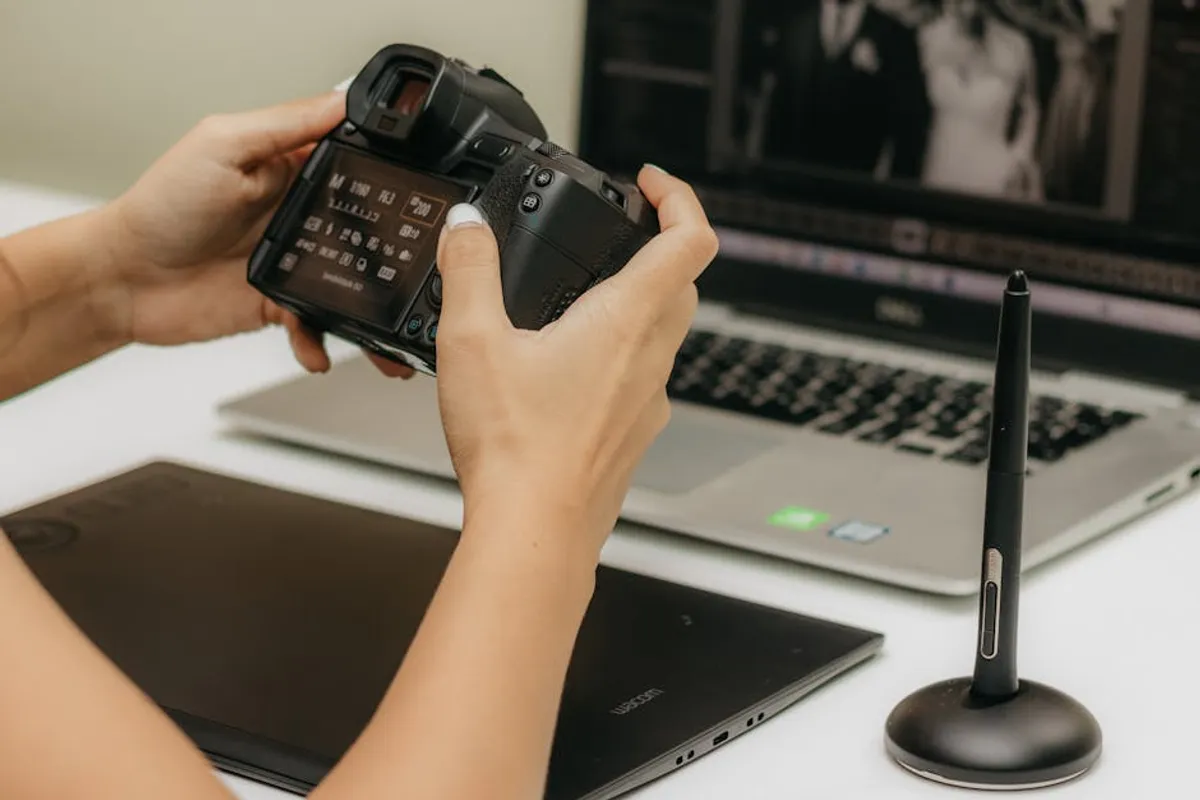
Choosing a photographer for a special occasion transcends merely finding someone with a camera; it's about securing an artist who can reliably capture the unique essence and fleeting moments of your event. This decision impacts not just the quality of your immediate memories but also the lasting visual narrative you’ll revisit for years. The process requires a methodical approach, moving beyond surface-level portfolio aesthetics to evaluate technical proficiency, artistic alignment, logistical competence, and contractual clarity. An informed selection ensures your investment yields a collection of images that truly reflects the significance of your occasion.
Defining Your Vision and Requirements
Before engaging with any photographer, clarity on your specific needs and aesthetic preferences is paramount. This foundational step streamlines your search and enables more productive conversations with potential candidates.
Event Type and Desired Photographic Style
The nature of your occasion dictates the photographic approach. A wedding demands a blend of documentary, portraiture, and detail shots, often spanning many hours. A corporate event might prioritize candid networking moments and keynote speakers, requiring discretion and adaptability to varied lighting. A family portrait session, by contrast, focuses on posed and natural interactions within a shorter timeframe. Identify whether you prefer a documentary style (unobtrusive, capturing authentic moments), fine art (stylized, often dramatic lighting and composition), traditional/formal (posed group shots, classic compositions), or a candid approach (focus on unscripted emotion). Each style requires a different skillset and artistic eye.
Budget and Timeline Constraints
Establish a realistic budget range early in your search. Photography services vary widely based on experience, reputation, location, and package inclusions. Understand that lower prices often reflect less experience, fewer deliverables, or a more limited service scope. Simultaneously, define your event date and desired delivery timeframe for final images. Reputable photographers book months, sometimes a year, in advance, especially for peak seasons. A clear timeline helps filter out unavailable professionals and manages expectations regarding post-production turnaround.
Evaluating Portfolios and Professionalism
A photographer's portfolio is their primary resume. Scrutinize it not just for individual impressive shots, but for consistency and relevance to your event type.
Portfolio Depth and Consistency
Look beyond highlight reels. Request to see full galleries from events similar to yours. This reveals a photographer’s ability to maintain quality and consistency across varying lighting conditions, throughout an entire event, and with diverse subjects. Assess the technical execution: sharp focus, balanced exposure, natural skin tones, and effective composition. Inconsistent quality across a full gallery indicates potential gaps in skill or reliability.
Best for: Identifying a photographer’s true capability and reliability over an extended period, not just their best isolated shots.
Specialization and Artistic Voice
Does the photographer specialize in your type of event? A wedding photographer might excel at capturing emotional moments and intricate details, while a commercial photographer might be adept at showcasing products or corporate branding. Their artistic voice—the unique way they see and interpret a scene—should resonate with your personal aesthetic. Look for a cohesive style in their editing, color grading, and framing. A strong, consistent artistic voice suggests a photographer who knows their craft and delivers predictable results.
Client Testimonials and Professional Presence
Seek out reviews on independent platforms. Look for patterns in feedback regarding communication, punctuality, professionalism, and the overall client experience. A photographer’s online presence—their website, social media, and responsiveness—also offers insights into their professionalism and brand consistency. An organized, well-maintained online presence often correlates with organized, professional service.
Pro Tip: When reviewing portfolios, pay close attention to how the photographer handles challenging lighting situations (e.g., dimly lit reception halls, harsh midday sun). The ability to produce high-quality images in adverse conditions is a strong indicator of technical mastery. This includes how they are adept at handling challenging lighting situations, which is a key indicator of their technical skill.
Understanding Service Packages and Deliverables
The contract outlines the tangible results of your investment. Thoroughly understand what you are receiving.
- Hours of Coverage: Clearly define the start and end times. Overtime rates should be specified.
- Number of Images: Packages often include a guaranteed minimum number of high-resolution, edited digital images. Inquire about the average number delivered for events of your duration.
- Delivery Format: Will images be delivered via an online gallery, USB drive, or both? What is the resolution for printing versus web use?
- Print and Album Options: Many photographers offer prints, canvases, or custom albums. Understand if these are included or add-ons, and review samples of their print quality.
- Image Rights: Clarify usage rights. Do you receive personal print rights? Can you share them on social media? Does the photographer retain copyright for promotional use?
- Second Shooter: For larger events, a second photographer provides additional angles and ensures comprehensive coverage. Confirm if this is included or an optional extra.
The Interview and Contractual Agreement
A personal interview allows you to assess compatibility and discuss specifics beyond the portfolio. The contract formalizes everything.
Communication and Personality Fit
Schedule a video call or in-person meeting. Communication style is crucial; you need a photographer who listens to your needs, offers clear guidance, and responds promptly. Their personality should be compatible with yours, especially for an all-day event. An easygoing yet professional demeanor can significantly reduce stress on the day.
Contingency Planning and Insurance
Inquire about their backup plan for equipment failure (e.g., spare cameras, lenses, memory cards) and personal emergencies (e.g., illness, accident). A professional photographer carries liability insurance, protecting both parties in case of unforeseen incidents. Request proof of insurance for your peace of mind.
Reviewing the Contract
Read the contract meticulously before signing. It should clearly detail all services, deliverables, payment schedules, cancellation policies, and image usage rights. Ensure there are no hidden fees and that all verbal agreements are documented in writing. If anything is unclear, ask for clarification and don't hesitate to seek legal advice if necessary.
Making an Informed Decision
Choosing a photographer for a special occasion is a significant decision that impacts the lasting memories of your event. By systematically evaluating their portfolio, understanding their service offerings, and ensuring a strong personal and contractual fit, you can confidently select a professional who will deliver not just photographs, but a cherished visual legacy. Prioritize clear communication, thorough documentation, and a genuine connection with your chosen artist to ensure a seamless experience and beautiful results.
Frequently Asked Questions
How far in advance should I book a photographer for a special occasion?
For major events like weddings, booking 9-18 months in advance is common, especially for popular photographers or peak seasons. For smaller occasions, 3-6 months is generally sufficient, but earlier booking is always advisable to secure your preferred professional.
What questions should I ask a photographer during an initial consultation?
Beyond discussing their style and packages, ask about their experience with your specific event type, their backup equipment and emergency plans, how they handle challenging lighting, their typical turnaround time for image delivery, and what is included in their standard contract regarding image rights and usage.
What is the typical payment structure for photography services?
Most photographers require a non-refundable retainer or deposit (typically 25-50% of the total fee) to secure your date. The remaining balance is usually due a week or two before the event, or sometimes on the day itself. Always clarify the payment schedule and accepted methods in the contract.
What if I need to cancel or reschedule my event?
Cancellation and rescheduling policies are critical and should be clearly outlined in your contract. Understand if your retainer is transferable or refundable under specific circumstances, and what fees might apply if you need to change your date or cancel outright. Discuss these scenarios with the photographer before signing.