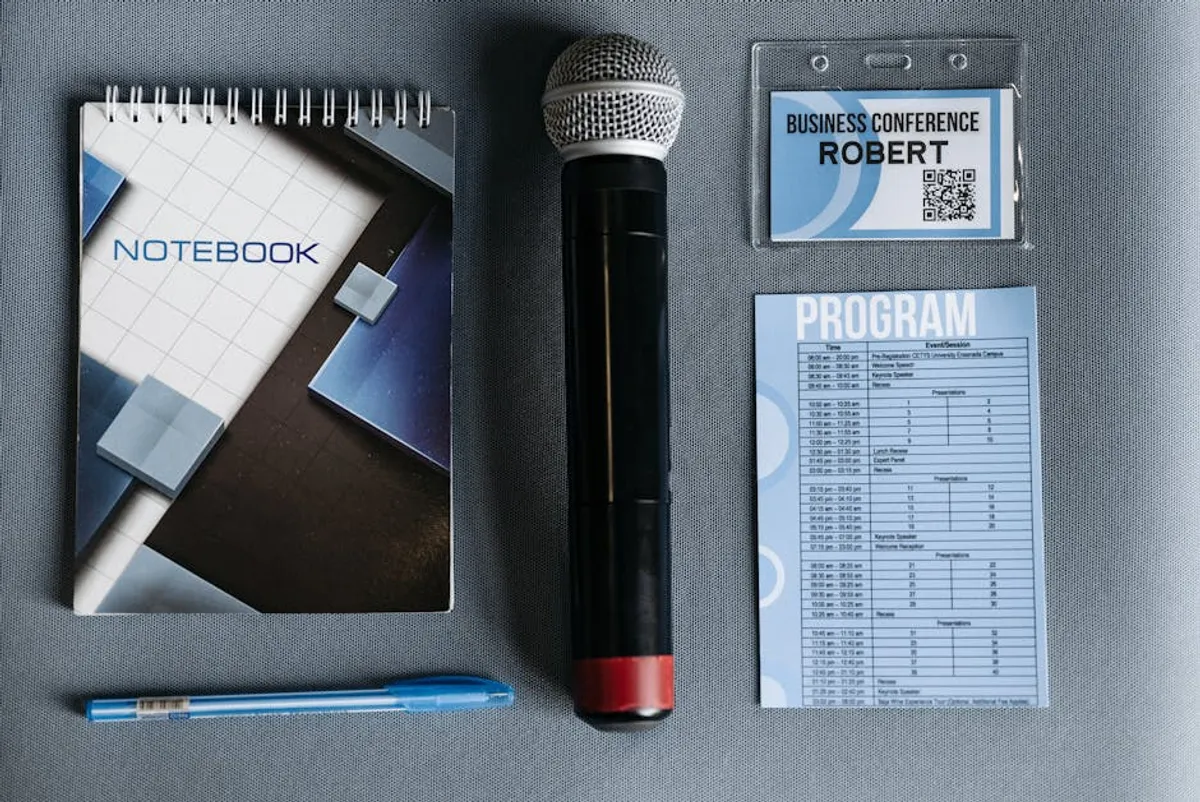
Effective event planning hinges on a structured, adaptable timeline that mitigates risks and ensures every detail aligns with the event’s core objectives. Without a clear roadmap, even minor events can quickly spiral into logistical challenges, budget overruns, and stakeholder dissatisfaction. This guide outlines the critical phases and actionable steps required to move from concept to successful execution, focusing on strategic foresight and practical implementation.
Initial Planning & Concept Development (6-12 Months Out)
This foundational stage establishes the strategic framework for your event. Decisions made here dictate subsequent choices and overall feasibility.
Define Event Objectives and Scope
Clearly articulate what the event aims to achieve. Is it lead generation, brand awareness, customer loyalty, or internal team building? Specific, measurable objectives inform every planning decision, from content to venue selection. Define the event's scale, target audience, and desired attendee experience. This initial clarity prevents scope creep and ensures resources are allocated effectively.
Establish Budget and Funding Sources
Develop a comprehensive budget that accounts for all potential expenses: venue, catering, AV, marketing, staffing, entertainment, insurance, and contingency funds (typically 10-15% of the total budget). Identify revenue streams such as ticket sales, sponsorships, or grants. A detailed budget ensures financial viability and provides a benchmark for tracking spending.
Secure Key Dates and Preliminary Venue Research
Select primary and backup dates, considering holidays, competing events, and audience availability. Begin researching potential venues that align with your event's size, style, and technical requirements. Evaluate accessibility, capacity, amenities, and cost structures. Initial venue inquiries help gauge availability and secure preliminary quotes.
Assemble Core Planning Team
Identify key personnel and assign roles and responsibilities. This includes leads for logistics, marketing, content, and finance. Clear role definitions prevent duplication of effort and ensure accountability.
Foundation & Vendor Selection (4-6 Months Out)
With the strategic framework in place, this phase focuses on solidifying key partnerships and infrastructure.
Venue Confirmation and Contract Negotiation
Finalize your venue choice and negotiate a detailed contract. Pay close attention to clauses regarding cancellation policies, payment schedules, included services, and liability. A robust contract protects both parties and clarifies expectations.
Identify and Secure Primary Vendors
Begin soliciting proposals and securing contracts for essential services. This typically includes:
- Catering: Menu planning, dietary restrictions, service style.
- Audiovisual (AV): Sound, lighting, projection, technical support.
- Entertainment/Speakers: Booking keynote speakers, performers, or workshop facilitators.
- Photography/Videography: Capturing event highlights for post-event promotion and archival.
- Event Software: Registration platforms, attendee apps, lead retrieval systems.
Thoroughly vet references and review portfolios before committing. Clear communication of your event vision to vendors is crucial.
Develop Event Branding and Initial Marketing Plan
Create a distinct brand identity for your event, including a logo, color palette, and messaging. Develop an initial marketing strategy outlining target audiences, key channels (social media, email, press releases), and a content calendar. This early start builds anticipation and allows for iterative refinement.
Pro Tip: Always build in buffer time for every major task. Unexpected delays are common, from vendor responses to approval processes. A realistic timeline with built-in flexibility is more effective than an overly optimistic one that leaves no room for adjustments.
Execution & Promotion (2-3 Months Out)
This phase is dedicated to active promotion, content finalization, and detailed logistical planning.
Launch Registration and Marketing Campaigns
Open registration and activate your full marketing plan. Monitor registration numbers and adjust promotional efforts as needed. Utilize analytics to identify effective channels and refine messaging for optimal reach.
Finalize Content, Speakers, and Agenda
Confirm all speakers, presenters, and entertainment acts. Collect biographies, headshots, and presentation materials. Develop a detailed agenda, including session timings, breaks, and transition periods. Distribute this to all involved parties for review.
Plan Event Layout and Decor
Work with the venue and decor vendors to design the event space. Consider traffic flow, seating arrangements, branding opportunities, and functional areas like registration desks, exhibition booths, and F&B stations. Obtain necessary permits if required for specific installations or activities.
Order Event Materials
Procure all necessary event materials, including badges, signage, promotional items, and welcome kits. Ensure branding consistency across all items.
Final Preparations & Rehearsals (1 Month Out to 1 Week Out)
The focus shifts to meticulous detail, confirmations, and ensuring all elements are ready for deployment.
Finalize Guest Lists and Seating Arrangements
Close registration and finalize attendee lists. Create seating charts for meals or specific sessions, if applicable. Prepare attendee information packets or digital guides.
Conduct Vendor Meetings and Confirmations
Hold final meetings with all key vendors to review contracts, confirm logistics, timings, and specific requirements. Obtain emergency contact information for all vendor leads.
Brief Event Staff and Volunteers
Conduct comprehensive training sessions for all event staff and volunteers. Clearly outline roles, responsibilities, emergency procedures, and communication protocols. Ensure everyone understands their part in delivering a seamless experience.
Develop Contingency Plans
Anticipate potential issues such as technical failures, last-minute speaker cancellations, inclement weather, or lower-than-expected attendance. Develop clear contingency plans and communicate them to the relevant team members. This proactive approach minimizes disruption.
The Final Countdown (Week Of to Day Of)
This is the culmination of all planning, requiring intense focus on execution and real-time problem-solving.
Final Confirmations and Deliveries
Make final calls to all vendors, speakers, and key staff to confirm arrival times, deliveries, and setup schedules. Verify all necessary equipment has arrived and is functioning correctly.
On-Site Setup and Decor Implementation
Oversee the setup of the venue, ensuring all decor, signage, AV equipment, and catering stations are in their designated places and meet specifications.
Registration and Guest Management
Manage the registration process efficiently, welcoming attendees and providing necessary information. Have a system in place for last-minute registrations or issue resolution.
Live Event Coordination and Issue Resolution
During the event, actively coordinate all moving parts. Maintain open communication with the team and vendors. Be prepared to address any issues or unexpected changes promptly and discreetly, minimizing impact on the attendee experience.
Sustaining Momentum Post-Event
The event doesn't conclude when the last guest leaves. Post-event activities are crucial for maximizing ROI and informing future planning. Send thank-you notes to attendees, sponsors, speakers, and vendors. Distribute post-event surveys to gather feedback on various aspects, from content quality to logistical execution. Conduct a comprehensive debrief with your core team to analyze what worked well and identify areas for improvement. Compile a detailed report summarizing key metrics, achievements against objectives, and financial outcomes. This data-driven approach ensures continuous improvement for all future events.
Frequently Asked Questions
How flexible should an event timeline be?
An event timeline should be a living document, not a rigid one. While it provides structure, expect and plan for adjustments. Building in buffer time and regularly reviewing progress allows for necessary flexibility without derailing the entire plan.
What is the most common budget pitfall in event planning?
Underestimating miscellaneous costs and failing to include a contingency fund are common pitfalls. Expenses like permits, insurance, unexpected technical needs, or last-minute material changes can quickly accumulate. Always allocate 10-15% of your total budget for contingencies.
How do I handle unexpected issues on event day?
Preparation is key. Develop clear contingency plans for common issues like AV failures, speaker no-shows, or catering delays. Empower your team with decision-making authority for minor issues and establish a clear communication chain for escalating major problems. Calm, decisive action minimizes disruption.
When should planning begin for different event sizes?
For large-scale conferences or complex multi-day events, planning should ideally begin 9-12 months out. Medium-sized events (e.g., workshops, product launches) typically require 4-6 months. Smaller, simpler events (e.g., internal meetings, casual networking) can be planned in 1-3 months, but core principles of defining objectives and managing logistics still apply.