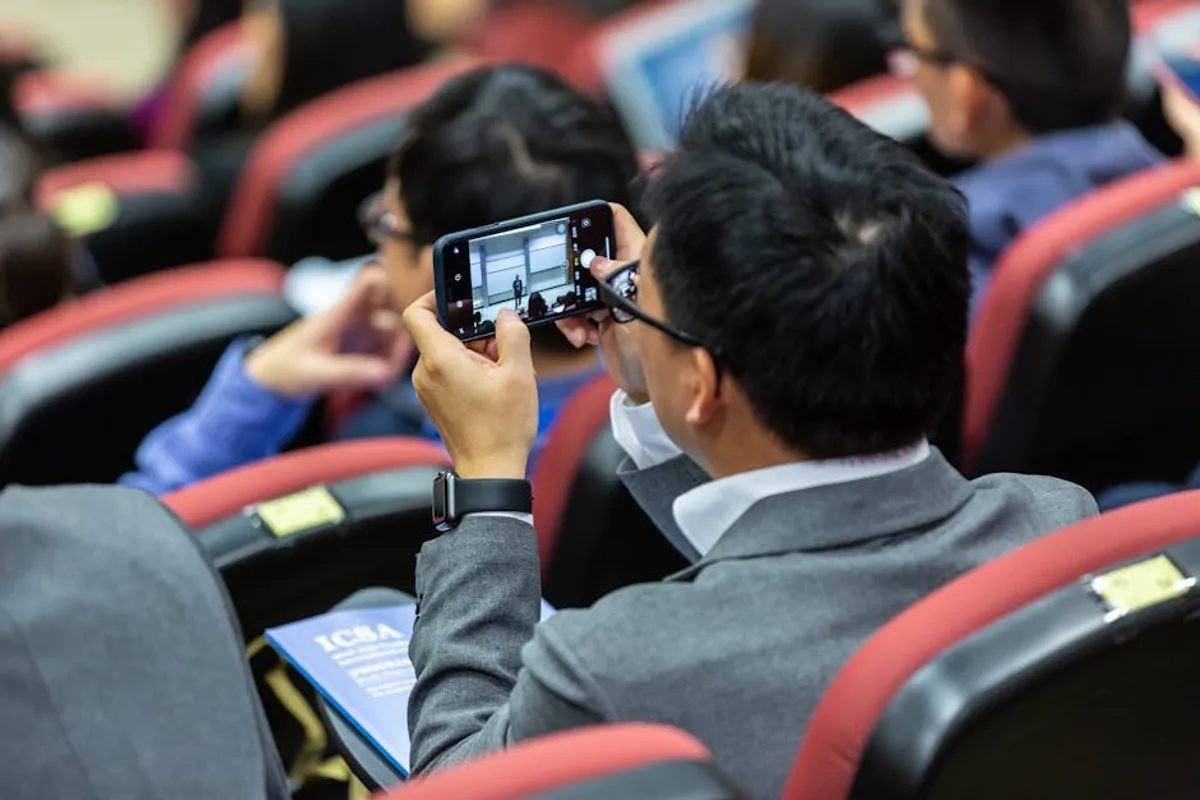
Successful event photography, whether for a wedding, corporate party, or large-scale festival, hinges on meticulous preparation and adaptable execution. Without a structured approach, photographers risk missing critical moments, encountering technical failures, or failing to meet client expectations, directly impacting their reputation and future bookings. This guide outlines a comprehensive checklist to ensure every photographic opportunity is maximized, from initial client consultation through final image delivery.
Pre-Event Planning: The Foundation
Client Consultation and Contract
Begin with a thorough consultation to understand the client's vision, specific shot requests, and event timeline. Document all agreements in a detailed contract that specifies deliverables (number of images, format, usage rights), pricing, payment schedule, and cancellation policies. This clarity minimizes disputes and sets professional expectations. For weddings, confirm key individuals and their roles; for corporate events, identify VIPs and brand messaging. For festivals, understand access restrictions and media requirements.
Venue Reconnaissance
Whenever possible, visit the event venue in advance. Assess lighting conditions (natural light availability, artificial light sources, potential for harsh shadows), power access for equipment, and logistical challenges like restricted areas or crowded spaces. Note potential backdrops and vantage points. This reconnaissance informs gear choices and helps anticipate on-site challenges, preventing last-minute surprises.
Gear Preparation
A reliable equipment setup is non-negotiable. Assemble and test all primary and backup gear well before the event. Charge all batteries, clear memory cards, and pack necessary accessories.
- Cameras: At least two professional-grade bodies to ensure redundancy.
- Lenses: A versatile range, including wide-angle for establishing shots, fast primes for low light, and telephoto for candid or distant subjects.
- Lighting: On-camera flashes, off-camera strobes, and light modifiers (diffusers, reflectors) for controlled illumination.
- Memory Cards: Multiple high-capacity, high-speed cards.
- Batteries: Sufficient spares for all cameras and flashes, fully charged.
- Tripod/Monopod: For stable shots, especially in low light or for long exposures.
- Cleaning Kit: Lens cloths, air blower, sensor cleaning supplies.
- Backup Plan: A contingency for equipment failure, including spare parts or rental options.
Shot List Development
Collaborate with the client to create a prioritized shot list. This ensures key moments and individuals are captured. For weddings, this includes the first look, ceremony highlights, and reception dances. For parties, it involves candid guest interactions, decor, and entertainment. Festivals require capturing performers, crowd energy, and sponsor activations. Organize the list chronologically or by location for efficient execution during the event.
During the Event: Execution and Adaptability
Arrival and Setup
Arrive early to allow ample time for setup, final lighting adjustments, and a quick walk-through. Confirm the event schedule with the coordinator. This buffer prevents rushing and allows for a calm, composed start.
Capturing Key Moments
Adhere to the developed shot list, but remain flexible. Anticipate moments rather than reacting to them. For speeches, position yourself to capture both the speaker and the audience's reactions. During performances, focus on peak action and emotional expressions. Always shoot in RAW format for maximum post-processing flexibility.
Managing Lighting and Environment
Continuously assess and adapt to changing lighting conditions. Utilize natural light when available, but be prepared to supplement with flashes or strobes. Pay attention to backgrounds, ensuring they are clean and complement the subject, not distract from it. For large venues, consider remote triggering systems for off-camera lighting.
Interaction and Direction
Maintain a professional and friendly demeanor. Provide clear, concise directions for posed shots, but also blend into the background for candid captures. For weddings and parties, interact positively with guests to build rapport, encouraging natural expressions. For festivals, be mindful of personal space and crowd dynamics.
Pro Tip: Always shoot in duplicate to a second memory card if your camera supports it. This immediate redundancy safeguards against card failure and provides an invaluable layer of protection for irreplaceable event photos.
Post-Event Workflow: Delivery and Follow-up
Backup and Culling
Immediately after the event, transfer all images to multiple storage devices (e.g., external hard drive, cloud storage). Begin the culling process, selecting the best images while eliminating duplicates, out-of-focus shots, and unflattering frames. This initial selection streamlines the editing phase.
Editing and Retouching
Process selected images for color correction, exposure adjustments, cropping, and minor retouching. Maintain a consistent style that aligns with your brand and the client's expectations. Use non-destructive editing techniques to preserve original files.
Delivery and Client Feedback
Deliver the final images in the agreed-upon format and timeframe, typically via an online gallery or secure download link. Request client feedback to ensure satisfaction and identify areas for improvement. A clear delivery process reinforces professionalism.
Marketing and Portfolio Integration
Select a curated set of the best images for your portfolio, website, and social media. Obtain client permission for public usage. Tag relevant vendors or event organizers to expand reach and networking opportunities. This continuous marketing effort is crucial for attracting future clients.
Specific Considerations for Different Event Types
Weddings
Focus on emotional depth, intricate details (rings, attire, decor), and the unfolding narrative of the day. Prioritize capturing the couple, their families, and key ceremonial moments. Be prepared for a long day requiring stamina and quick decision-making under pressure.
Parties
Emphasize atmosphere, energy, and candid interactions. Capture guests enjoying themselves, entertainment, and event branding. A wider lens can be effective for group shots, while a fast prime helps in low-light environments typical of evening parties.
Festivals
Document the scale of the event, the energy of the crowd, and the performances. Consider elevated vantage points for wide shots. Be prepared for diverse and often challenging lighting, large crowds, and potentially fast-moving subjects. Long lenses are often essential for stage photography.
Optimizing Your Event Photography Business Operations
Beyond the technical aspects of photography, successful event coverage requires a keen business sense. Streamline your inquiry process, maintain clear communication channels, and establish robust contract templates. Regularly review your pricing structure to reflect your experience, equipment investment, and market demand. Cultivate relationships with event planners, venues, and other vendors; these professional networks are a primary source of referrals. Invest in ongoing education, whether through workshops or online courses, to keep your skills sharp and adapt to new technologies or photographic trends. Consistent professional development ensures you remain competitive and deliver high-quality results across diverse event types.
Frequently Asked Questions
What is the most crucial piece of equipment for event photography?
While multiple cameras and lenses are important, a reliable flash or off-camera lighting system is arguably the most crucial. Events often occur in varied and challenging lighting conditions, and the ability to control light directly impacts image quality and consistency.
How do I manage a shot list effectively during a fast-paced event?
Organize your shot list chronologically or by event segment. Use a digital checklist on your phone or a printed, laminated card for quick reference. Prioritize "must-have" shots and delegate less critical ones if working with a second shooter. Constant communication with the event coordinator also helps.
Should I provide unedited images to clients?
Generally, no. Your edited images represent your final professional product and brand. Providing unedited files can lead to clients misinterpreting raw images or attempting their own edits, which may not reflect your quality standards. This should be clearly stated in your contract.