
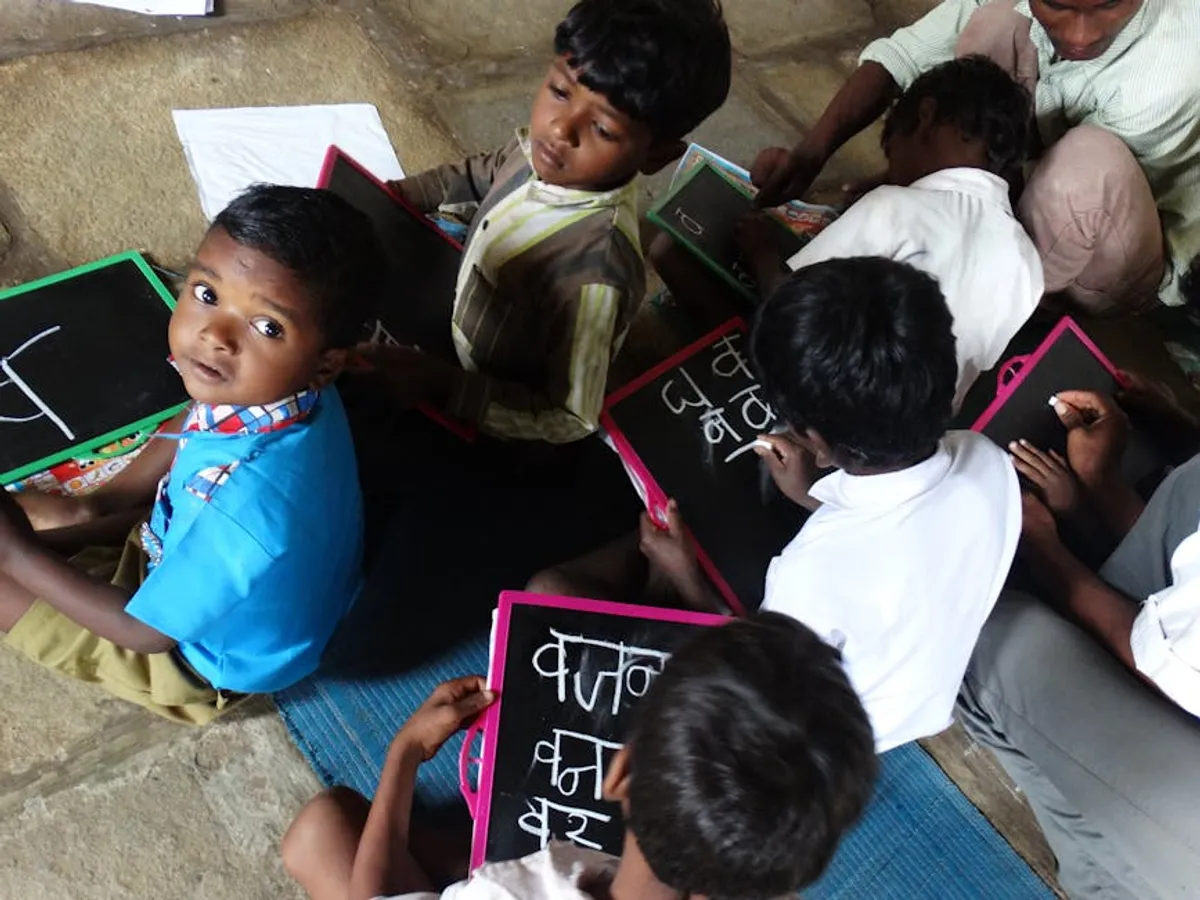
educationforallinindia.com appears to focus on providing educational resources and information relevant to the Indian demographic. Analyzing its search presence involves understanding not just academic queries but also how broader cultural interests, specifically "pop culture search intent," might intersect with or influence its traffic. This perspective is crucial for identifying untapped content opportunities and refining audience targeting beyond traditional educational keywords. The site's ability to capture search intent that blends formal learning with popular trends could significantly impact its organic visibility and relevance to a diverse user base.
What educationforallinindia.com Appears to Cover
The domain name educationforallinindia.com strongly suggests a primary focus on educational content tailored for an Indian audience. This likely includes topics such as academic curricula, examination preparation for various boards and competitive tests, career guidance, government educational policies, and possibly skill development initiatives. Content categories would typically encompass subjects like science, mathematics, humanities, and language learning, alongside practical advice for students and parents. Given the title's emphasis on pop culture search intent, a nuanced analysis would look for articles that bridge these core educational themes with contemporary cultural touchstones. This could manifest as content discussing the influence of popular media on student aspirations, educational themes in Indian cinema, or how digital pop culture platforms are utilized for informal learning and knowledge dissemination.
Where Its Search Traffic May Come From
Search traffic for educationforallinindia.com likely originates from informational queries. Users might search for specific exam syllabi, explanations of complex academic concepts, career path recommendations, or updates on educational reforms. Long-tail keywords related to specific questions (e.g., "best colleges for engineering in Bangalore," "how to prepare for UPSC civil services exam") would be significant drivers. The "pop culture" dimension suggests an additional layer of traffic potential from queries that blend entertainment with education. For instance, searches like "educational lessons from Bollywood movies," "impact of social media influencers on student choices," or "GK questions based on current Indian pop culture events" could tap into a different, often younger, audience segment. This indicates a potential for traffic from both direct academic needs and tangential, culturally informed learning interests.
Search Intent Behind educationforallinindia.com
The primary search intent targeting educationforallinindia.com is predominantly informational. Users seek answers, explanations, and guidance related to their educational journey. This includes students researching higher education options, parents seeking academic support for their children, or individuals looking for professional development resources. The inclusion of "pop culture search intent" in the analysis points to a secondary, but increasingly important, layer of user motivation. This intent might be to understand educational topics through a more relatable, engaging lens, or to explore the educational implications of popular cultural phenomena. For example, a user might be looking for "how to learn coding using gaming examples" or "the history of Indian education as seen through popular TV shows." This reflects a desire for content that is not just factual but also contextualized within contemporary cultural discourse, aiming for engagement beyond pure academic necessity.
Why Traffic May Rise or Fall
Organic traffic to educationforallinindia.com can fluctuate based on several factors. Seasonal academic cycles, such as examination periods or admission seasons, will naturally drive spikes in relevant search queries. Algorithm updates from search engines that prioritize E-E-A-T (Experience, Expertise, Authoritativeness, Trustworthiness) signals are critical; sites demonstrating deep subject matter expertise and credible sources will see improved visibility. Conversely, outdated content, lack of fresh perspectives, or poor technical SEO can lead to declines. For content intersecting with pop culture, traffic can be highly volatile, rising rapidly with trending topics (e.g., a new film, a viral challenge) and falling just as quickly as trends fade. Maintaining a balance between evergreen educational content and timely, culturally relevant pieces is essential for sustained growth. The site's ability to consistently update and expand its content to match evolving search behaviors, including those influenced by pop culture, will dictate its long-term traffic trajectory.
How the Site Could Improve Organic Visibility
To enhance organic visibility, educationforallinindia.com should focus on several strategic areas. First, conduct comprehensive keyword research that not only covers traditional educational terms but also identifies "pop culture" keywords relevant to learning and academic discussions. This involves analyzing trending topics on social media, popular entertainment, and youth culture in India to find intersections with educational themes. Second, develop content clusters around these hybrid topics, ensuring articles are well-researched and offer unique insights. For instance, creating a series on "Career Paths Inspired by Popular Indian Web Series" or "Understanding Economic Concepts Through Cricket Statistics." Third, optimize existing educational content by integrating relevant, modern examples or case studies drawn from pop culture to make it more engaging and discoverable for a broader audience. Fourth, prioritize technical SEO, ensuring fast page loading, mobile responsiveness, and structured data implementation to improve crawlability and user experience. Finally, building topical authority through consistent, high-quality content that demonstrates genuine expertise in both educational and cultural domains will signal trustworthiness to search engines.
What to Check Before Trusting Traffic Estimates
When evaluating third-party traffic estimates for educationforallinindia.com, it is crucial to exercise caution. These tools rely on various data points and algorithms that may not fully capture the nuances of a specific niche or regional market like India. Key considerations include the sample size of the data used by the estimation tool, its ability to accurately differentiate between organic and other traffic sources, and its recency of data collection. Discrepancies often arise due to variations in how tools estimate long-tail keyword performance or account for brand-specific searches. The most accurate insights into a site's performance always come directly from its own analytics platforms, such as Google Analytics or Search Console, which provide firsthand data on impressions, clicks, keyword performance, and user behavior.
Frequently Asked Questions About educationforallinindia.com's Search Presence
What types of educational content does educationforallinindia.com typically publish?
The site generally publishes content related to academic curricula, examination preparation, career guidance, educational policies, and skill development, all tailored for an Indian audience.
How does "pop culture search intent" apply to an educational website like this?
It refers to users seeking educational information or explanations that are framed through or connected to popular cultural elements, such as movies, music, social media trends, or celebrity influence, making learning more relatable and engaging.
What kind of keywords might drive traffic to educationforallinindia.com?
Traffic is likely driven by informational queries for exam syllabi, academic explanations, career advice, and government education schemes. Additionally, keywords blending education with pop culture, like "science concepts in Marvel movies" or "history of India through popular songs," could attract specific audiences.
How can educationforallinindia.com improve its visibility for pop culture-related educational topics?
The site can improve visibility by creating specific content clusters that merge educational topics with current pop culture trends, using relevant pop culture examples in explanations, and optimizing for hybrid keywords that reflect this intersection.



