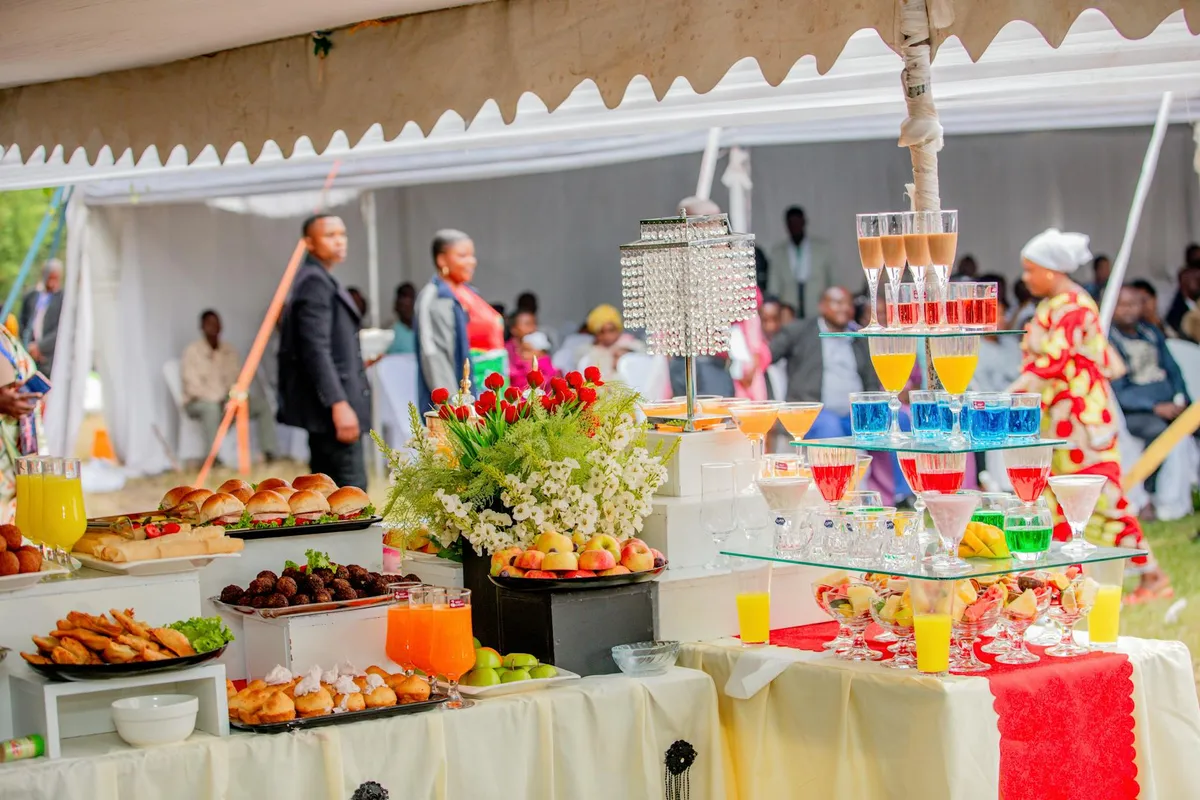
Wedding planning makes you feel like you need to hire 15 different vendors. You do not. After working with vendors at hundreds of weddings, here are the 5 worth their cost and the 4 most couples regret paying for.
The 5 worth booking
1. A great photographer
The single most important vendor. The photos are what you have left after the day is over. Everything else — food, flowers, music — exists for one day. The photos exist for decades.
What to spend: Whatever the top of your reasonable budget is. The difference between a good photographer ($3,000-5,000) and a great one ($5,000-8,000) is enormous in the final results.
Vendor tip: Look at full wedding galleries, not just portfolios. Photographers post their best 30 shots. You want to see how they shoot a whole day.
2. A solid DJ or band
The reception lives or dies on the music. A bad DJ kills the energy. A great one keeps the dance floor full all night.
What to spend: $1,500-3,500 for a quality DJ. $5,000-15,000 for a quality band. Worth it either way.
What matters: Reading the room. The best DJs adjust the playlist on the fly based on what is working. The mediocre ones run a script regardless of crowd response.
3. Decent catering
The food does not have to be amazing, but it should not be bad. Bad wedding food is something guests remember and joke about for years.
What to spend: $80-150 per person for a real meal. Less if you do a non-traditional format (food trucks, family-style, brunch wedding).
What matters: Tasting before booking. Food at the tasting and food on the wedding day are not always the same. Ask hard questions about how they handle volume.
4. A day-of coordinator
Even if you skip a full wedding planner, hire a day-of coordinator. Someone whose only job on your wedding day is to manage logistics so you do not have to.
What to spend: $800-2,000 depending on market and scope.
What matters: They take the timeline you and your vendors built and execute it. They handle the issues that come up. You actually get to enjoy your wedding instead of fielding logistics questions all day.
5. A real bartender (and good drinks)
The bar will be one of the most-used parts of the reception. Cheap booze, slow service, or weak drinks will be remembered.
What to spend: Varies enormously by venue and rules. Plan for $25-60 per guest depending on what you offer.
What matters: Real bartenders, not "self-serve" wine and beer. Enough bartenders for the crowd (one per 50 guests minimum). A signature cocktail is fine; a fully stocked bar is better.
The 4 you can skip
1. A videographer (for most couples)
Hot take: most couples never watch their wedding video. The cinematic 4-minute highlight is fun the first time, but the full ceremony video and reception coverage usually goes unwatched.
Skip if: You do not regularly watch home videos already.
Spend if: You are someone who genuinely re-watches videos. Then book a good one ($3,000-6,000).
Compromise: Have one of your tech-friend guests record the ceremony on their phone. That gets you the audio and video of the actual vows, which is the only part most people would ever watch back.
2. Elaborate floral installations
The floral arch behind the head table that costs $5,000? Almost no guest will remember it. The aisle flowers? Get tossed at the end of the night.
What to spend: $1,500-3,000 for solid bouquets, boutonnieres, table centerpieces. Skip the elaborate installations.
The exception: If flowers are genuinely your thing and the photos of the floral details will be displayed, then go bigger. Otherwise, do not.
3. Photo booths
Guests use them for the first 30 minutes, then nobody uses them. The photos pile up unviewed. You pay $800-1,500 for a novelty that fades fast.
Skip: Almost always.
Alternative: Set up a single backdrop with good lighting. Guests will take photos in front of it on their own phones. Same effect for free.
4. Specialty cake vendors
Wedding cakes have gotten genuinely expensive ($800-2,500) for what is, at most weddings, a 15-minute event with most of the cake going uneaten or thrown out.
What to do instead: Order a small cake for the cutting ceremony from a regular bakery ($150-300). Have a dessert table or cake from a local bakery for actual eating. Same experience for guests, fraction of the cost.
What about wedding planners?
Different question. Full wedding planners ($5,000-15,000+) are great if you have the budget and limited time. They are not strictly necessary if you have a good day-of coordinator and reasonable organizational skills.
Most couples can plan a wedding themselves with about 60 hours of work spread across 9-12 months, save the planner money, and use a day-of coordinator for execution. Worth considering.
The takeaway
You do not need every vendor. The five above will produce a beautiful wedding everyone enjoys. The four to skip can save you $5,000-15,000 with no impact on guest experience.
Spend on the vendors that actually affect the day or what you remember. Skip the ones that produce decorative excess nobody needs.
Your bank account will thank you. Your wedding will not suffer for it.